
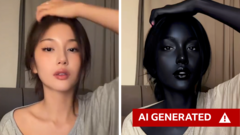
AI videos of sexualised black women removed from TikTok after BBC investigation
#TikTok #AI-generated #sexualized #black women #BBC investigation #content removal #discrimination
📌 Key Takeaways
- TikTok removed AI-generated videos depicting sexualized black women following a BBC investigation.
- The content was flagged for violating platform policies on harmful stereotypes and explicit material.
- The incident highlights concerns about AI misuse in creating and spreading discriminatory content.
- The BBC's investigation prompted TikTok to take action against the problematic videos.
📖 Full Retelling
🏷️ Themes
AI Ethics, Content Moderation
📚 Related People & Topics

TikTok
Video-focused social media platform
TikTok, known in mainland China, Macau, and Hong Kong as Douyin (Chinese: 抖音; pinyin: Dǒuyīn; lit. 'Shaking Sound'), is a social media and short-form online video platform. It hosts user-submitted videos, which range in duration from three seconds to 60 minutes.
Entity Intersection Graph
Connections for TikTok:
Mentioned Entities
Deep Analysis
Why It Matters
This news matters because it highlights how AI technology is being weaponized to create non-consensual, sexually explicit content targeting specific racial groups, which constitutes digital sexual violence and racial discrimination. It affects Black women who become victims of this content without their knowledge or consent, while also raising concerns for all social media users about platform accountability. The incident exposes significant gaps in content moderation systems and demonstrates how emerging technologies can amplify existing societal biases and harms.
Context & Background
- Deepfake and AI-generated non-consensual intimate imagery has become increasingly prevalent since 2017, with multiple high-profile cases involving celebrities and politicians.
- TikTok has faced previous criticism for its content moderation practices, including allegations of racial bias in algorithmically promoted content and uneven enforcement of community guidelines.
- Black women have historically faced disproportionate sexualization and objectification in media, making this incident part of a broader pattern of racialized gender-based violence.
What Happens Next
TikTok will likely face increased regulatory scrutiny and pressure to improve its AI detection systems, with possible investigations by data protection authorities in multiple jurisdictions. Expect more victims to come forward seeking removal of similar content across platforms, potentially leading to class-action lawsuits. Social media companies will probably announce new initiatives around AI-generated content detection within the next 3-6 months.
Frequently Asked Questions
This content reinforces harmful stereotypes that have historically been used to justify violence and discrimination against Black women. It represents a digital form of racialized sexual exploitation that can cause psychological harm and damage reputations.
TikTok's recommendation algorithm may amplify such content by promoting videos that generate engagement, regardless of their harmful nature. The platform's content moderation systems appear insufficient for detecting AI-generated non-consensual intimate imagery.
Laws vary by jurisdiction, but many countries are developing legislation specifically targeting deepfakes and AI-generated non-consensual intimate imagery. Victims may pursue legal action under harassment, defamation, or privacy violation statutes where available.
Users should regularly search for their name and image online, use reverse image search tools, and report suspicious content immediately. Digital literacy education about AI manipulation techniques is becoming increasingly important for all internet users.