
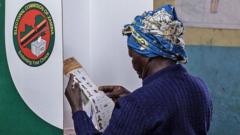
Aspiring female Zambian politicians asked for sexual favours, official says
#Zambia #female politicians #sexual favors #political harassment #gender barriers #exploitation #women in politics
📌 Key Takeaways
- A Zambian official reports that aspiring female politicians are being asked for sexual favors
- The issue highlights gender-based barriers in Zambian politics
- Such demands constitute a form of exploitation and harassment
- The statement calls attention to systemic challenges facing women in political participation
🏷️ Themes
Gender discrimination, Political corruption
Entity Intersection Graph
No entity connections available yet for this article.
Deep Analysis
Why It Matters
This news highlights systemic gender-based corruption and abuse in political systems, directly affecting women's participation in democracy and governance. It reveals how sexual exploitation creates barriers to equal political representation, undermining democratic principles and women's rights. The issue impacts not only the individual women targeted but also the quality of governance and diversity in political leadership, potentially discouraging qualified female candidates from entering politics altogether.
Context & Background
- Zambia has historically had low female political representation, with women holding only about 17% of parliamentary seats as of recent elections
- Gender-based violence and discrimination remain widespread challenges in Zambian society despite legal protections
- Similar patterns of sexual exploitation in politics have been documented in other African countries, suggesting regional systemic issues
- Zambia's political parties have made various commitments to gender equality but implementation has been inconsistent
What Happens Next
Expect increased pressure on Zambian political parties to implement stronger anti-harassment policies and gender quotas. Civil society organizations will likely launch advocacy campaigns and support systems for affected women. The Zambian government may face calls to establish independent reporting mechanisms and strengthen legal protections against political gender-based violence.
Frequently Asked Questions
While comprehensive statistics are limited, reports suggest sexual exploitation of female politicians is a significant but underreported issue across multiple political parties and levels of government in Zambia.
Zambia has constitutional provisions against gender discrimination and specific laws addressing gender-based violence, but enforcement mechanisms for political contexts remain weak and implementation inconsistent.
This undermines democratic principles by limiting political participation based on gender, reducing diversity in leadership, and potentially excluding qualified candidates from governance roles.
Solutions include establishing confidential reporting mechanisms, implementing strict party codes of conduct, creating mentorship programs for female politicians, and strengthening legal consequences for perpetrators.
While the specific dynamic of sexual favor demands appears predominantly gender-targeted, broader political corruption and exploitation can affect politicians of all genders in different ways.