
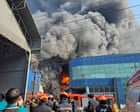
At least 14 people killed in fire at South Korean car parts factory
#South Korea #factory fire #car parts #fatalities #industrial safety #workplace disaster #emergency response
📌 Key Takeaways
- At least 14 people died in a fire at a car parts factory in South Korea
- The incident highlights serious workplace safety concerns in industrial settings
- The factory was involved in manufacturing components for the automotive industry
- Emergency responders were dispatched to the scene to manage the disaster
📖 Full Retelling
🏷️ Themes
Industrial Accident, Workplace Safety
📚 Related People & Topics
South Korean
Topics referred to by the same term
South Korean may refer to: Something of, from, or related to South Korea, a country in East Asia, in the southern half of the Korean Peninsula.

South Korea
Country in East Asia
South Korea, officially the Republic of Korea (ROK), is a country in East Asia. It constitutes the southern half of the Korean Peninsula and borders North Korea along the Korean Demilitarized Zone, with the Yellow Sea to the west and the Sea of Japan to the east. South Korea claims to be the sole le...
Entity Intersection Graph
Connections for South Korean:
Mentioned Entities
Deep Analysis
Why It Matters
This industrial fire represents a significant workplace safety failure in South Korea's manufacturing sector, which employs millions. It affects the families of the deceased workers, the local community where the factory operates, and raises concerns about safety standards across South Korea's industrial base. The incident may trigger regulatory scrutiny of workplace conditions in automotive supply chains, potentially impacting production schedules and labor relations in the industry.
Context & Background
- South Korea has experienced several major industrial accidents in recent years, including the 2014 Sewol ferry disaster that killed 304 people and prompted national safety reforms
- The country's manufacturing sector, particularly automotive and electronics, is a cornerstone of its economy, accounting for approximately 27% of GDP
- South Korea has implemented the Serious Accident Punishment Act in 2022, which holds corporate executives criminally liable for fatal workplace accidents
- Previous factory fires in South Korea include a 2020 lithium battery plant fire that killed 1 and a 2018 hospital fire that killed 37
What Happens Next
Immediate next steps include completion of rescue operations, identification of victims, and investigation by fire authorities and workplace safety agencies. Within weeks, we can expect preliminary findings about the fire's cause, potential safety violations, and possible criminal investigations under the Serious Accident Punishment Act. The company will likely face production disruptions, compensation claims from victims' families, and potential regulatory penalties that could affect its operations and contracts with major automakers.
Frequently Asked Questions
Common causes include electrical faults, improper storage of flammable materials, inadequate fire prevention systems, and safety protocol violations. Many incidents reveal systemic issues with maintenance, training, and regulatory compliance in industrial facilities.
Multiple agencies typically investigate including the National Fire Agency, Ministry of Employment and Labor, and local police. Under the 2022 Serious Accident Punishment Act, investigations now focus on corporate responsibility and potential criminal charges against management for safety failures.
Families typically receive compensation through industrial accident insurance, additional payments from employers, and sometimes civil lawsuits. The amount varies but often includes funeral expenses, lost income compensation, and additional damages if negligence is proven.
The incident may cause temporary supply chain disruptions if the factory supplied critical components. It will likely trigger safety audits across the industry and could lead to stricter regulations, potentially increasing compliance costs for manufacturers.
After major incidents, South Korea has implemented stricter safety laws, increased inspections, and enhanced penalties. The 2022 Serious Accident Punishment Act was a direct response to public pressure following multiple workplace fatalities, holding executives personally accountable.