
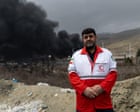
Bombing of Iran’s oil infrastructure to have major environmental fallout, experts warn
#Iran #oil infrastructure #bombing #environmental fallout #experts #pollution #ecosystems
📌 Key Takeaways
- Experts warn that bombing Iran's oil infrastructure could cause significant environmental damage.
- The attacks may lead to large-scale oil spills and air pollution.
- Such incidents could severely impact local ecosystems and public health.
- The environmental consequences might have long-term regional effects.
📖 Full Retelling
🏷️ Themes
Environmental Impact, Conflict
Entity Intersection Graph
No entity connections available yet for this article.
Deep Analysis
Why It Matters
This news matters because attacks on Iran's oil infrastructure could trigger severe environmental disasters affecting millions of people across the region. The potential release of toxic chemicals and greenhouse gases would worsen air quality, contaminate water sources, and damage ecosystems in the Persian Gulf. This environmental crisis would have cross-border health impacts, strain regional emergency response systems, and could escalate geopolitical tensions through accusations of environmental warfare.
Context & Background
- Iran possesses the world's fourth-largest oil reserves and second-largest natural gas reserves, making its energy infrastructure strategically vital but environmentally vulnerable
- The Persian Gulf region has experienced multiple oil spills from tanker attacks and infrastructure damage during past conflicts, including the 1980s Tanker War
- Iran's oil facilities have been targeted before, including the 2019 Abqaiq–Khurais attacks that temporarily halved Saudi Arabia's oil production
- The Strait of Hormuz handles about 20% of global oil shipments, making any disruption there economically significant worldwide
- Iran has faced international criticism for environmental management, including air pollution in Tehran that causes thousands of premature deaths annually
What Happens Next
Regional governments will likely increase environmental monitoring and emergency preparedness drills in the coming weeks. International organizations like the UN Environment Programme may issue warnings about potential cross-border pollution. If attacks occur, we could see emergency OPEC+ meetings to address oil supply disruptions, followed by international pressure for ceasefires to allow environmental cleanup. Long-term, this may accelerate regional discussions about protecting critical infrastructure under international humanitarian law.
Frequently Asked Questions
Attacks could cause massive oil spills contaminating coastal waters, fires releasing toxic fumes and particulate matter, and groundwater pollution from damaged storage facilities. These would harm marine life, agricultural areas, and urban populations through both immediate exposure and long-term contamination.
Disruption to Iran's 2.5 million barrels per day production would spike oil prices worldwide, particularly affecting Asian and European markets. This could trigger emergency releases from strategic petroleum reserves and accelerate alternative energy investments as markets price in new geopolitical risks.
Neighboring Gulf states like Kuwait, Bahrain, Qatar, and UAE would face immediate air and water contamination due to prevailing winds and currents. Downstream countries along the Indian Ocean, including Pakistan and India, could experience secondary effects from marine pollution and atmospheric particulates.
Yes, the Geneva Conventions and Additional Protocol I prohibit widespread environmental damage, but enforcement is weak. The 1977 Environmental Modification Convention specifically bans environmental warfare, though its provisions are limited and rarely invoked in practice.
Iran has some domestic response capabilities but faces challenges due to international sanctions limiting access to advanced cleanup technology. Regional cooperation would be essential but complicated by political tensions, potentially requiring UN or Red Cross mediation for effective response coordination.