
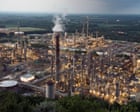
BP to sell German oil refinery as part of $20bn cost-cutting plan
#BP #oil refinery #Germany #cost-cutting #$20 billion #asset sale #energy transition
📌 Key Takeaways
- BP plans to sell its German oil refinery as part of a broader $20 billion cost-cutting strategy.
- The move is aimed at streamlining operations and reducing expenses amid market pressures.
- This sale reflects BP's shift toward cleaner energy and away from traditional fossil fuel assets.
- The cost-cutting plan is part of BP's long-term strategy to improve financial resilience.
📖 Full Retelling
🏷️ Themes
Corporate Restructuring, Energy Transition
Entity Intersection Graph
No entity connections available yet for this article.
Deep Analysis
Why It Matters
This announcement matters because it signals a major strategic shift for one of the world's largest energy companies during a critical transition period for the global energy sector. It affects BP's employees in Germany, European fuel markets that rely on this refinery's output, and investors watching how traditional oil companies adapt to climate pressures and changing demand. The $20 billion cost-cutting plan reflects broader industry challenges as companies balance traditional fossil fuel operations with growing investments in renewable energy.
Context & Background
- BP announced a major strategic overhaul in 2020 to transform from an international oil company to an integrated energy company
- The company committed to reducing oil and gas production by 40% by 2030 while increasing renewable energy investments tenfold
- European refineries have faced increasing pressure from competition, environmental regulations, and declining regional demand for petroleum products
- BP previously announced plans to cut 10,000 jobs globally as part of its cost-reduction strategy
What Happens Next
BP will begin seeking buyers for the German refinery while implementing other elements of its $20 billion cost-cutting plan across global operations. The company will likely face scrutiny from environmental groups about whether asset sales represent genuine decarbonization or simply shifting emissions to other owners. Market analysts will monitor how proceeds from the sale are allocated between shareholder returns, debt reduction, and renewable energy investments.
Frequently Asked Questions
BP is selling as part of a broader $20 billion cost-cutting strategy to improve financial performance while transitioning toward cleaner energy. The European refining sector faces structural challenges including overcapacity and declining demand, making some assets less strategic for BP's future portfolio.
Workers' fates will depend on the buyer's plans, though refinery sales typically include employment transition arrangements. BP will likely negotiate terms with potential buyers regarding workforce retention, though some job losses may occur as new owners optimize operations.
This sale aligns with BP's strategy to reduce its carbon footprint by divesting from certain fossil fuel assets. However, critics note that simply selling assets doesn't eliminate emissions—it transfers them to new owners—so the climate impact depends on the buyer's operations and emissions management.
In the short term, fuel prices are unlikely to change significantly as the refinery will continue operating under new ownership. Long-term effects depend on whether the new owner invests in modernization or reduces capacity, which could influence regional supply dynamics and pricing.
BP will likely continue evaluating its global portfolio, potentially targeting older, less efficient refineries and oil fields with higher production costs. The company has indicated it will prioritize assets that don't align with its long-term energy transition strategy or profitability targets.