
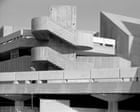
Brutal but beautiful: Southbank Centre’s Grade II listing is the cherry on a concrete cake
#Southbank Centre #Brutalism #Grade II listed #London architecture #Hayward Gallery #heritage protection #British culture
📌 Key Takeaways
- The Southbank Centre has been officially granted Grade II listed status by UK heritage authorities.
- The listing protects iconic structures including the Hayward Gallery and Queen Elizabeth Hall from structural changes.
- This decision concludes one of the longest-running debates regarding the value of Brutalist architecture in Britain.
- The move ensures the long-term preservation of the complex as a premier global arts and cultural destination.
📖 Full Retelling
The Department for Culture, Media and Sport officially granted Grade II listed status to London’s Southbank Centre on February 10, 2026, ending decades of architectural debate by legally protecting the Brutalist complex from demolition or unsympathetic redevelopment. This landmark decision covers the Queen Elizabeth Hall, the Purcell Room, and the Hayward Gallery, recognizing their historical and aesthetic significance as masterpieces of post-war British architecture. The move follows years of campaigning by heritage groups who argued that the sprawling concrete site is a vital cultural asset despite its polarizing aesthetic.
The designation marks a definitive victory for supporters of Brutalism who have long fought against the narrative that the Southbank is a "concrete monstrosity." Since its completion in the late 1960s, the complex has been at the center of a heritage tug-of-war, with critics calling for its removal and admirers praising its raw, uncompromising design. The Grade II listing serves as a formal vindication of the vision held by the original London County Council architects, ensuring that the heavy, textured concrete forms and elevated walkways will remain a permanent fixture of the Thames skyline.
Beyond just preserving the physical structures, the listing acknowledges the Southbank Centre’s role as one of the world’s most significant arts hubs. By securing this status, the UK government has effectively neutralized future commercial threats that might have sought to replace the complex with more conventional, glass-and-steel developments. Cultural historians view this as a turning point in the public perception of 20th-century architecture, moving away from the post-war stigma toward an appreciation of the audacity and social optimism that the site originally represented.
🏷️ Themes
Architecture, Culture, Heritage
Entity Intersection Graph
No entity connections available yet for this article.
Original Source
<p>As one of the longest-running battles in British heritage comes to an end, the listing of the London arts complex vindicates the audacity of this sensational droogs’ paradise</p><p>Britain’s battle of brutalism has finally reached an exhausted conclusion with the <a href="https://www.theguardian.com/culture/2026/feb/10/southbank-centre-granted-grade-ii-listed-status-brutalist-architecture">listing of London’s Southbank Centre</a>. The so-called “concrete monstros
Read full article at source