
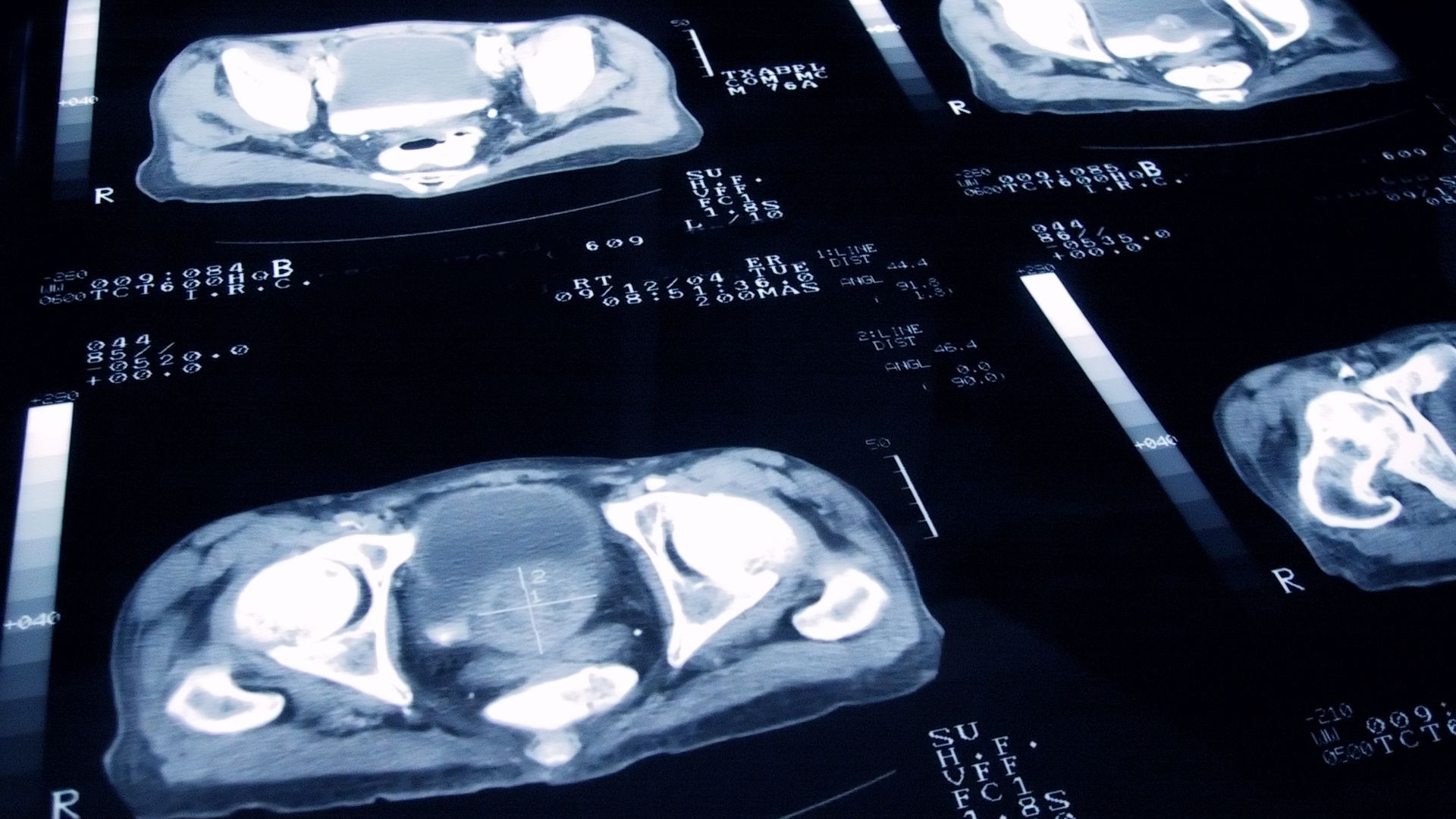
Cancer death rates fall to historic low - as types with biggest drop in fatalities revealed
#cancer #death rates #historic low #lung cancer #melanoma #early detection #treatment advances #smoking reduction
📌 Key Takeaways
- Cancer death rates in the U.S. have reached a historic low, continuing a long-term decline.
- The decline is attributed to advances in early detection, improved treatments, and reduced smoking rates.
- Certain cancer types, such as lung cancer and melanoma, show particularly significant drops in fatalities.
- Despite overall progress, disparities persist among different demographic groups and cancer types.
🏷️ Themes
Healthcare, Cancer Research
Entity Intersection Graph
No entity connections available yet for this article.
Deep Analysis
Why It Matters
This news represents a significant milestone in public health, signaling that decades of medical advancements and lifestyle changes are translating into tangible survival benefits for patients. It provides crucial hope to millions of cancer survivors and their families while offering a roadmap for future prevention strategies and healthcare policy. The data also influences funding allocations for research and helps healthcare systems prepare for resource management as the population ages.
Context & Background
- For decades, cancer death rates were steadily rising globally due to an aging population and persistent risk factors like tobacco use.
- The recent decline is largely attributed to the sharp drop in smoking rates over the last 50 years and the introduction of targeted therapies.
- Widespread screening programs for breast, colorectal, and cervical cancers have improved early detection, leading to more treatable cases.
- Historically, lung, breast, and colorectal cancers have accounted for the highest number of cancer deaths, making their decline the most impactful.
- Advancements in immunotherapy and precision medicine have allowed for more effective treatments with fewer side effects compared to traditional chemotherapy.
What Happens Next
Expect continued annual monitoring of mortality trends, with a likely focus on the impact of new immunotherapies and the rising incidence of obesity-related cancers. There will likely be increased calls for funding in areas where mortality remains stubbornly high, such as pancreatic and liver cancer. Additionally, public health officials may use this data to reinforce the importance of maintaining healthy lifestyles to sustain these positive trends.
Frequently Asked Questions
The decline is attributed to a combination of factors, including reduced smoking rates, earlier detection through screening, and more effective treatments like immunotherapy and targeted drugs.
Lung, breast, and colorectal cancers typically show the most significant drops in mortality due to successful prevention campaigns and screening initiatives.
While the overall death rate is falling, cancer is not yet universally curable. However, the falling death rates indicate that more people are surviving the disease, often for longer periods.
While treatment costs remain high, a reduction in mortality can potentially lower long-term healthcare costs associated with end-of-life care and hospitalizations for advanced stages of the disease.
Some reports associated with this news often highlight rising rates in cancers linked to obesity, such as liver and pancreatic cancer, which may offset some of the gains in other areas.