
Cecil: The Lion and the Dentist review – inside the horrific big cat killing that outraged the world
#Cecil the lion #Trophy hunting #Walter Palmer #Zimbabwe #Wildlife conservation #Hwange National Park #Documentary
📌 Key Takeaways
- Cecil was a famous 12-year-old lion from Hwange National Park who was part of an Oxford University study
- The lion was killed in 2015 by American dentist Dr. Walter Palmer with the assistance of local hunter Theo Bronkhurst
- The documentary explores the complex relationship between conservation, local communities, and the trophy hunting industry
- The film raises more questions than it answers about the ethics and economics of wildlife hunting practices
📖 Full Retelling
🏷️ Themes
Trophy Hunting, Wildlife Conservation, Cultural Economics, Ethics
📚 Related People & Topics

Trophy hunting
Hunting of wild animals for trophies
Trophy hunting is a form of hunting for sport in which parts of the hunted wild animals are kept and displayed as trophies. The animal being targeted, known as the "game", is typically a mature male specimen from a popular species of collectable interests, usually of large sizes, holding impressive ...
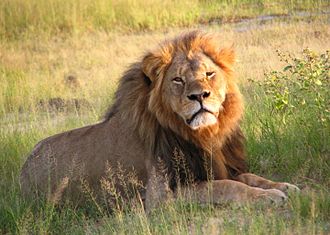
Killing of Cecil the lion
Lion that lived in the Hwange National Park
Cecil (c. 2002 – 2 July 2015) was a male African lion (Panthera leo leo) who lived primarily in the Hwange National Park in Matabeleland North, Zimbabwe. He was being studied and tracked by a research team of the University of Oxford as part of a long-term study.

Wildlife conservation
Practice of protecting wild plant and animal species and their habitats
Wildlife conservation refers to the practice of protecting wild species and their habitats in order to maintain healthy wildlife species or populations and to restore, protect or enhance natural ecosystems. Major threats to wildlife include habitat destruction, degradation, fragmentation, overexploi...

Zimbabwe
Country in Southeastern Africa
Zimbabwe, officially the Republic of Zimbabwe, is a landlocked country in Southeast Africa, between the Zambezi and Limpopo River, bordered by South Africa to the south, Botswana to the southwest, Zambia to the north, and Mozambique to the east. The capital and largest city is Harare, and the second...
Entity Intersection Graph
No entity connections available yet for this article.
Mentioned Entities
Deep Analysis
Why It Matters
The killing of Cecil, a 12 year old male lion and head of two prides, sparked worldwide outrage and highlighted gaps in wildlife protection and hunting regulation. It brought attention to the economic and ethical tensions between trophy hunting, conservation, and local community benefit, prompting policy discussions and public debate.
Context & Background
- Cecil was tracked by an Oxford University research team and was a symbol of wildlife conservation in Hwange National Park
- The lion was killed by American trophy hunter Dr Walter Palmer in 2015, crossing a park boundary into a hunting area
- The incident exposed lack of enforcement of hunting quotas and unclear distribution of hunting revenue to local communities
What Happens Next
The documentary has intensified calls for stricter trophy hunting regulations and increased protection for iconic species. Zimbabwe has begun reviewing its wildlife management policies and considering bans on large carnivore trophy hunting. The case continues to influence international conservation advocacy and public opinion.
Frequently Asked Questions
The hunter returned to the US and was not prosecuted, while the guide Theo Bronkhurst was arrested but charges were later dismissed.
The killing caused worldwide outrage, leading to protests, extensive media coverage, and a shift in public opinion against trophy hunting.