
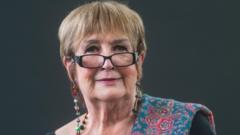
Dame Jenni Murray, former BBC Woman's Hour presenter, dies at 75
#Jenni Murray #BBC #Woman's Hour #presenter #death #broadcasting #obituary
📌 Key Takeaways
- Dame Jenni Murray, former BBC Woman's Hour presenter, has died at age 75.
- She was a prominent figure in British broadcasting, known for her long tenure on Woman's Hour.
- Her death marks the loss of a significant voice in media and women's issues.
- No cause of death was specified in the initial report.
🏷️ Themes
Obituary, Broadcasting
Entity Intersection Graph
No entity connections available yet for this article.
Deep Analysis
Why It Matters
Dame Jenni Murray's death marks the loss of a pioneering voice in British broadcasting who shaped feminist discourse for decades. As the longtime presenter of BBC Woman's Hour, she influenced public conversations about women's rights, gender equality, and social issues affecting millions of listeners. Her passing affects not only the BBC and media community but also generations of women who found representation and advocacy through her work. The news resonates across British cultural institutions where she was both a respected journalist and a symbol of women's advancement in media.
Context & Background
- Jenni Murray presented BBC Radio 4's Woman's Hour from 1987 to 2020, becoming one of the program's longest-serving and most influential hosts.
- She was appointed Dame Commander of the Order of the British Empire (DBE) in 2011 for services to broadcasting, recognizing her impact on media and women's issues.
- Murray authored several books including memoirs and historical works about women, establishing herself as both a broadcaster and writer on feminist topics.
- During her tenure, Woman's Hour evolved from a traditional women's program to a platform discussing politics, health, law, and social justice from feminist perspectives.
- Her career spanned pivotal moments in gender equality including debates about the gender pay gap, reproductive rights, and women's representation in public life.
What Happens Next
Memorial tributes and special programming are likely across BBC outlets, particularly Radio 4, celebrating her legacy. The BBC may commission documentaries or archive specials about her career and impact on broadcasting. Her death will prompt reflections during upcoming International Women's Day observances and feminist media events. Long-term, her influence will be studied in media history courses and gender studies programs examining women's representation in public broadcasting.
Frequently Asked Questions
She transformed Woman's Hour into a serious platform for feminist discourse, interviewing prime ministers and activists while making women's issues mainstream. Her 33-year tenure gave the program consistency and authority during crucial social changes.
Murray broke barriers as a prominent female voice in BBC's traditionally male-dominated news hierarchy. She consistently championed diverse women's stories and mentored younger female journalists, expanding what topics were considered 'women's issues.'
Murray was open about her double mastectomy after a breast cancer diagnosis in 2006, discussing women's health issues candidly on air. She also spoke about her knee replacement surgery, connecting personal experiences to broader healthcare discussions.
She stepped down after 33 years as part of planned succession, though her departure coincided with BBC diversity initiatives. The transition allowed new presenters like Emma Barnett to continue evolving the program while honoring Murray's legacy.
Expect special Woman's Hour episodes featuring archival clips and colleague tributes. The BBC may establish awards or fellowships in her name supporting women in journalism, particularly in radio broadcasting.