
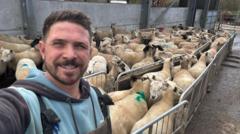
Dog owners to face unlimited fines if their pets attack livestock under new law
#dog owners #unlimited fines #livestock attacks #new law #animal protection #rural crime #pet ownership
📌 Key Takeaways
- New law imposes unlimited fines on dog owners for livestock attacks
- Legislation aims to strengthen penalties for irresponsible pet ownership
- Focus on protecting livestock from dog-related harm
- Law reflects increased concern over rural animal welfare
🏷️ Themes
Animal Welfare, Legal Reform
Entity Intersection Graph
No entity connections available yet for this article.
Deep Analysis
Why It Matters
This law significantly increases penalties for dog attacks on livestock, affecting farmers, dog owners, and rural communities. It addresses the serious economic impact of livestock worrying, which costs UK agriculture millions annually and causes animal suffering. The unlimited fines represent a major deterrent compared to previous fixed penalties, potentially reducing incidents that threaten farmers' livelihoods and food security.
Context & Background
- Livestock worrying has been a persistent problem in rural areas, with thousands of incidents reported annually across the UK
- Previous legislation like the Dogs (Protection of Livestock) Act 1953 set maximum fines of £1,000, which many considered insufficient deterrent
- Farmers have long advocated for stronger measures as attacks cause not just financial loss but also emotional distress and animal welfare concerns
- The new law follows years of campaigning by agricultural organizations and comes amid increased focus on rural crime prevention
What Happens Next
The law will come into effect after parliamentary approval and royal assent, likely within months. Police and local authorities will need to develop enforcement guidelines and train officers. Farmers will need to document incidents more systematically to support prosecutions. Animal welfare organizations may launch public awareness campaigns about responsible dog ownership in rural areas.
Frequently Asked Questions
The law typically covers farm animals including sheep, cattle, pigs, goats, poultry, and horses. The specific definition may vary slightly by region but generally includes animals kept for agricultural purposes. Owners should check local regulations for exact classifications.
Evidence can include veterinary reports, witness statements, photographs of injuries, DNA testing, and tracking evidence. Farmers are advised to document incidents thoroughly. Police may use forensic methods similar to wildlife crime investigations to establish responsibility.
Possible defenses might include proving the dog was under proper control, that livestock were trespassing, or that the owner took reasonable precautions. However, strict liability often applies in livestock attack cases, meaning intent may not need to be proven.
Yes, the law applies to all dog breeds and sizes. Even small dogs can cause livestock to panic and injure themselves. The legislation focuses on the behavior and control of dogs rather than specific breeds, though some breeds may face additional scrutiny based on historical patterns.
Keep dogs on leads around livestock, ensure secure fencing at home, microchip and register pets, and obtain third-party liability insurance. When walking in rural areas, maintain visual control and use leads in fields with animals, even if no livestock are immediately visible.
Courts will consider factors like the severity of attack, number of animals harmed, financial loss to farmers, previous offenses, and owner's negligence. Judges have discretion to set amounts that reflect both punishment and deterrence, potentially reaching tens of thousands of pounds for serious cases.