
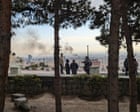
'Don't die': the two words that sum up our lives in Tehran now | Anonymous
#Tehran #Iran #government repression #human rights #anonymous #dissent #surveillance #protest
📌 Key Takeaways
- Iranian citizens in Tehran live under constant fear of government violence and repression.
- The phrase 'Don't die' reflects daily anxiety over arbitrary arrest, torture, or death for dissent.
- Anonymous authorship highlights the severe risks of speaking out against the regime.
- The article portrays a climate of silent resistance amid pervasive state surveillance and control.
📖 Full Retelling
🏷️ Themes
Political Oppression, Fear and Survival
📚 Related People & Topics

Iran
Country in West Asia
# Iran **Iran**, officially the **Islamic Republic of Iran** and historically known as **Persia**, is a sovereign country situated in West Asia. It is a major regional power, ranking as the 17th-largest country in the world by both land area and population. Combining a rich historical legacy with a...

Tehran
Capital and largest city of Iran
Tehran is the capital and largest city of Iran. It is also the capital of Tehran province and the administrative center for Tehran County and its Central District. With a population of around 9 million in the city, and 16.8 million in the metropolitan area, Tehran is the most populous city in Iran a...
Entity Intersection Graph
Connections for Iran:
Mentioned Entities
Deep Analysis
Why It Matters
This anonymous account from Tehran reveals the daily reality of living under constant threat of violence and political repression in Iran, affecting millions of ordinary citizens. It matters because it provides a rare, unfiltered glimpse into the human cost of authoritarian governance and ongoing civil unrest. The testimony highlights how basic survival has become the primary concern for Iranians, overshadowing all other aspects of life. This personal narrative adds crucial human dimension to geopolitical discussions about Iran, showing how political tensions manifest in citizens' daily existence.
Context & Background
- Iran has experienced widespread protests since 2022 following the death of Mahsa Amini in morality police custody
- The Iranian government has responded to protests with severe crackdowns, including mass arrests and executions
- Tehran has been a focal point of both protest activity and government repression efforts
- Anonymous testimonies have become increasingly important as journalists face restrictions and citizens risk retaliation for speaking out
- Iran's political system combines democratic elements with ultimate authority resting with religious leaders
- International sanctions and economic struggles have compounded political tensions within the country
What Happens Next
Continued anonymous reporting likely as citizens seek ways to document their experiences despite risks. Increased international attention to human rights conditions in Iran, potentially leading to diplomatic pressure. Possible escalation or de-escalation of civil unrest depending on government responses and economic conditions. Growing documentation of personal narratives that may influence future historical accounts of this period.
Frequently Asked Questions
The author remains anonymous due to legitimate fears of retaliation from Iranian authorities against those who criticize the government. Publishing under their real name could lead to arrest, imprisonment, or worse given Iran's track record of punishing dissent.
The phrase encapsulates the daily struggle for basic survival amid political violence, economic hardship, and government repression. It represents how avoiding death from protest crackdowns, inadequate healthcare, or other systemic failures has become the central preoccupation for many Iranians.
While anonymous accounts cannot be independently verified in the same way as attributed reporting, they often provide crucial insights when official channels are restricted. Such testimonies typically align with documented patterns of human rights abuses and are treated as important supplemental evidence by international observers.
This personal account could strengthen calls for increased human rights monitoring and diplomatic pressure on Iran. It may influence policy debates in Western capitals about how to support Iranian citizens while navigating complex geopolitical relationships with the Iranian government.
This testimony directly contradicts government claims of stability and normalcy, revealing instead a population living in fear and prioritizing survival. While officials portray protests as foreign-instigated, this account suggests deep domestic discontent rooted in daily lived experience.