
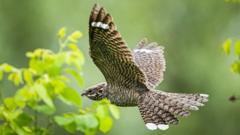
Elusive nightjar birds making remarkable comeback, conservationists say
#nightjar #birds #comeback #conservation #elusive #population recovery #wildlife protection
📌 Key Takeaways
- Nightjar bird populations are showing a significant recovery, according to conservationists.
- The species, known for being elusive, had previously faced declines.
- Conservation efforts are credited with aiding the nightjar's resurgence.
- The comeback highlights positive outcomes from targeted wildlife protection measures.
🏷️ Themes
Wildlife Conservation, Species Recovery
Entity Intersection Graph
No entity connections available yet for this article.
Deep Analysis
Why It Matters
The nightjar's recovery signals a major conservation success story, demonstrating that targeted habitat restoration and protection efforts can reverse species decline. This matters to ecologists, conservation organizations, and policymakers as it validates current biodiversity strategies and provides a model for other endangered species recovery programs. Local communities and birdwatching enthusiasts also benefit from the return of this unique nocturnal species to ecosystems where it had previously disappeared.
Context & Background
- Nightjars are nocturnal insectivorous birds known for their camouflage plumage and distinctive churring calls, with many species facing population declines globally due to habitat loss.
- These birds have historically suffered from agricultural intensification, pesticide use reducing insect prey, and disturbance of their ground-nesting sites in heathlands and open woodlands.
- Conservation efforts typically involve habitat management including controlled burning, grazing regimes, and protection of nesting areas from human disturbance and predation.
What Happens Next
Conservation groups will likely expand monitoring programs to track population trends and habitat usage more precisely. Researchers may conduct studies to understand which specific conservation measures contributed most to the recovery. Additional habitat restoration projects targeting nightjars will probably receive increased funding and support based on this success.
Frequently Asked Questions
Targeted habitat management including maintaining open ground for nesting, reducing pesticide use to preserve insect populations, and protecting nesting sites from disturbance during breeding season have been key factors in their recovery.
Their nocturnal habits, exceptional camouflage that makes them nearly invisible during daytime roosting, and preference for remote habitats make nightjars challenging to monitor and research compared to diurnal bird species.
As insect predators, nightjars help regulate insect populations including moths and beetles. Their return indicates healthier insect communities and balanced nocturnal ecosystems where they fill an important ecological niche.
While some populations show remarkable recovery, many nightjar species remain threatened or endangered globally, with recovery efforts varying significantly by region and specific threats faced by each population.