
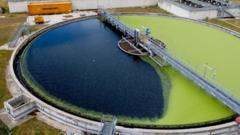
England sewage spills nearly halved in 2025 due mostly to drier weather
#sewage spills #England #drier weather #2025 #water pollution #environmental data #infrastructure
📌 Key Takeaways
- England's sewage spills decreased by nearly half in 2025 compared to previous years.
- The primary cause of the reduction was drier weather conditions, not infrastructure improvements.
- The data highlights the ongoing vulnerability of sewage systems to weather variability.
- The report underscores the need for long-term solutions beyond weather-dependent reductions.
🏷️ Themes
Environmental Pollution, Infrastructure
📚 Related People & Topics

England
Country within the United Kingdom
England is a country that is part of the United Kingdom. It is located on the island of Great Britain, of which it covers about 62%, and more than 100 smaller adjacent islands. England shares a land border with Scotland to the north and another land border with Wales to the west, and is otherwise su...
Entity Intersection Graph
Connections for England:
View full profileMentioned Entities
Deep Analysis
Why It Matters
This news is important because it highlights a significant reduction in sewage spills in England, which directly impacts public health, environmental quality, and water safety for communities. It affects residents, environmental groups, and water companies, as reduced spills mean fewer contaminants in rivers and coastal areas, potentially lowering health risks and ecological damage. However, the reliance on drier weather rather than infrastructure improvements raises concerns about long-term sustainability and preparedness for future wetter conditions.
Context & Background
- Sewage spills in England have been a persistent environmental and public health issue, often linked to outdated Victorian-era drainage systems and combined sewer overflows (CSOs).
- In recent years, public and regulatory pressure has mounted on water companies to reduce spills, with incidents frequently reported during heavy rainfall when systems become overwhelmed.
- The UK government and Environment Agency have set targets and fines for water companies to improve infrastructure, but progress has been slow amid debates over funding and responsibility.
What Happens Next
If drier weather continues, spills may remain low temporarily, but focus will likely shift to infrastructure upgrades to ensure reductions are sustainable. Regulatory bodies may use this data to reassess targets and enforcement, with potential announcements on new policies or investments in water management systems in the coming months. Public scrutiny on water companies is expected to persist, especially if wetter weather returns and spills increase again.
Frequently Asked Questions
The reduction was primarily due to drier weather conditions in 2025, which decreased rainfall and reduced the strain on sewage systems, leading to fewer overflows and spills into waterways.
Not necessarily; the drop is attributed mostly to weather, not systemic upgrades, indicating that infrastructure may still be vulnerable during wetter periods and long-term solutions are needed.
Local communities, wildlife, and the environment benefit through cleaner rivers and coastal areas, while water companies may face less public criticism and regulatory pressure temporarily.
Increased spills could harm aquatic ecosystems, pose health risks from contaminated water, and lead to fines or legal action against water companies for failing to meet environmental standards.
Long-term reduction requires investment in modernizing sewage infrastructure, such as separating stormwater and sewage systems, and implementing sustainable drainage solutions to handle varying weather conditions.