
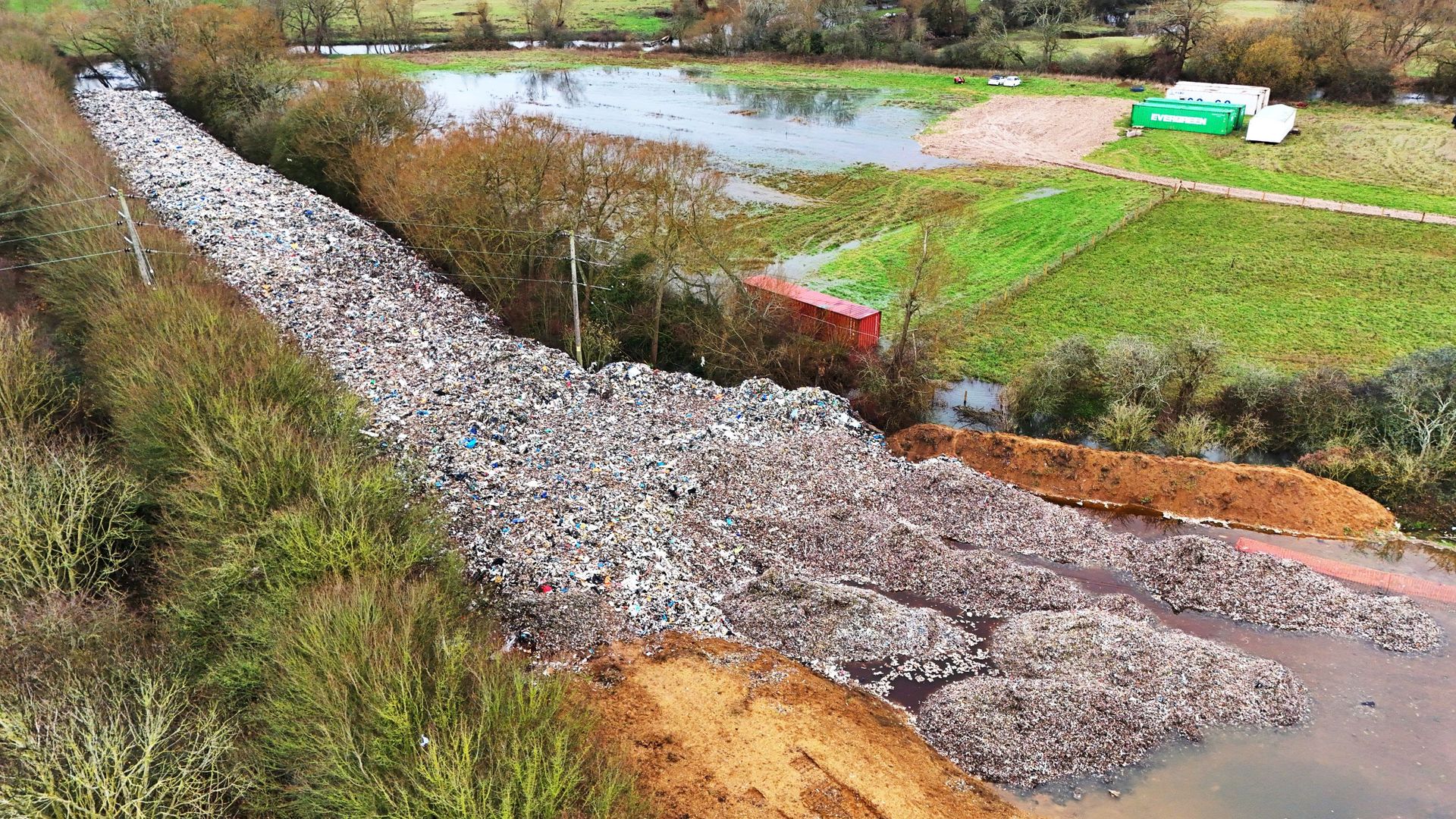
Environment Agency enforcement officers could get 'police-style' powers
#Environment Agency #enforcement officers #police-style powers #environmental law #regulatory changes #environmental crimes #law enforcement
📌 Key Takeaways
- Environment Agency officers may receive enhanced enforcement powers similar to police.
- Proposed powers aim to improve environmental law enforcement and deter violations.
- Changes could include authority to stop, search, and detain suspects in environmental cases.
- The move responds to increasing environmental crimes and regulatory challenges.
📖 Full Retelling
🏷️ Themes
Environmental Enforcement, Regulatory Powers
📚 Related People & Topics
Environment Agency
Non-departmental public body in the UK
The Environment Agency (EA) is a non-departmental public body, established in 1996 and sponsored by the United Kingdom government's Department for Environment, Food and Rural Affairs, with responsibilities relating to the protection and enhancement of the environment in England (and until 2013 also ...
Entity Intersection Graph
Connections for Environment Agency:
View full profileMentioned Entities
Deep Analysis
Why It Matters
This development matters because it represents a significant expansion of enforcement authority for environmental protection in the UK, potentially allowing Environment Agency officers to conduct arrests, searches, and seizures without police accompaniment. This affects businesses operating in regulated sectors like waste management, manufacturing, and agriculture, who would face more direct enforcement actions. It also impacts environmental NGOs and communities concerned about pollution, as it could lead to faster responses to environmental crimes. The change would fundamentally alter the balance between regulatory oversight and operational independence for industries with environmental impacts.
Context & Background
- The Environment Agency was established in 1996 and currently has limited enforcement powers, often requiring police assistance for serious interventions.
- Current environmental enforcement in the UK operates under multiple statutes including the Environmental Protection Act 1990 and the Environment Act 2021.
- There has been growing political pressure to strengthen environmental enforcement following high-profile pollution incidents and criticism of regulatory effectiveness.
- The UK's departure from the EU has created opportunities to reshape environmental governance structures previously influenced by European frameworks.
- Similar 'police-style' powers exist for other specialized enforcement bodies like the Health and Safety Executive and some trading standards officers.
What Happens Next
The proposal will likely undergo parliamentary scrutiny and consultation with stakeholders including industry groups, police associations, and environmental organizations. If approved, implementation would require legislative changes, officer training programs, and development of new operational protocols. We can expect pilot programs in specific regions or sectors before nationwide rollout, with initial focus on serious waste crime and major pollution incidents. The first enhanced enforcement actions could begin within 12-18 months if the political process moves quickly.
Frequently Asked Questions
They would likely gain powers of arrest, search and seizure, and the authority to require identification from suspects. This could include entering premises without warrants in emergency situations and detaining individuals suspected of serious environmental offenses.
Currently, Environment Agency officers often need police support for arrests or searches. With new powers, they could act independently, potentially speeding up responses to environmental crimes and increasing enforcement presence in high-risk areas.
Any new powers would come with oversight mechanisms including body cameras, strict use-of-force protocols, and independent complaint procedures. Officers would require specialized training similar to police standards.
Serious waste crimes like illegal dumping, major pollution incidents, and organized environmental crime networks would likely be primary targets. The powers would focus on offenses causing significant harm or involving criminal enterprises.
Compliant businesses should see minimal direct impact, though they might experience more frequent inspections. The changes aim to target illegal operators who undercut legitimate businesses through environmental violations.