
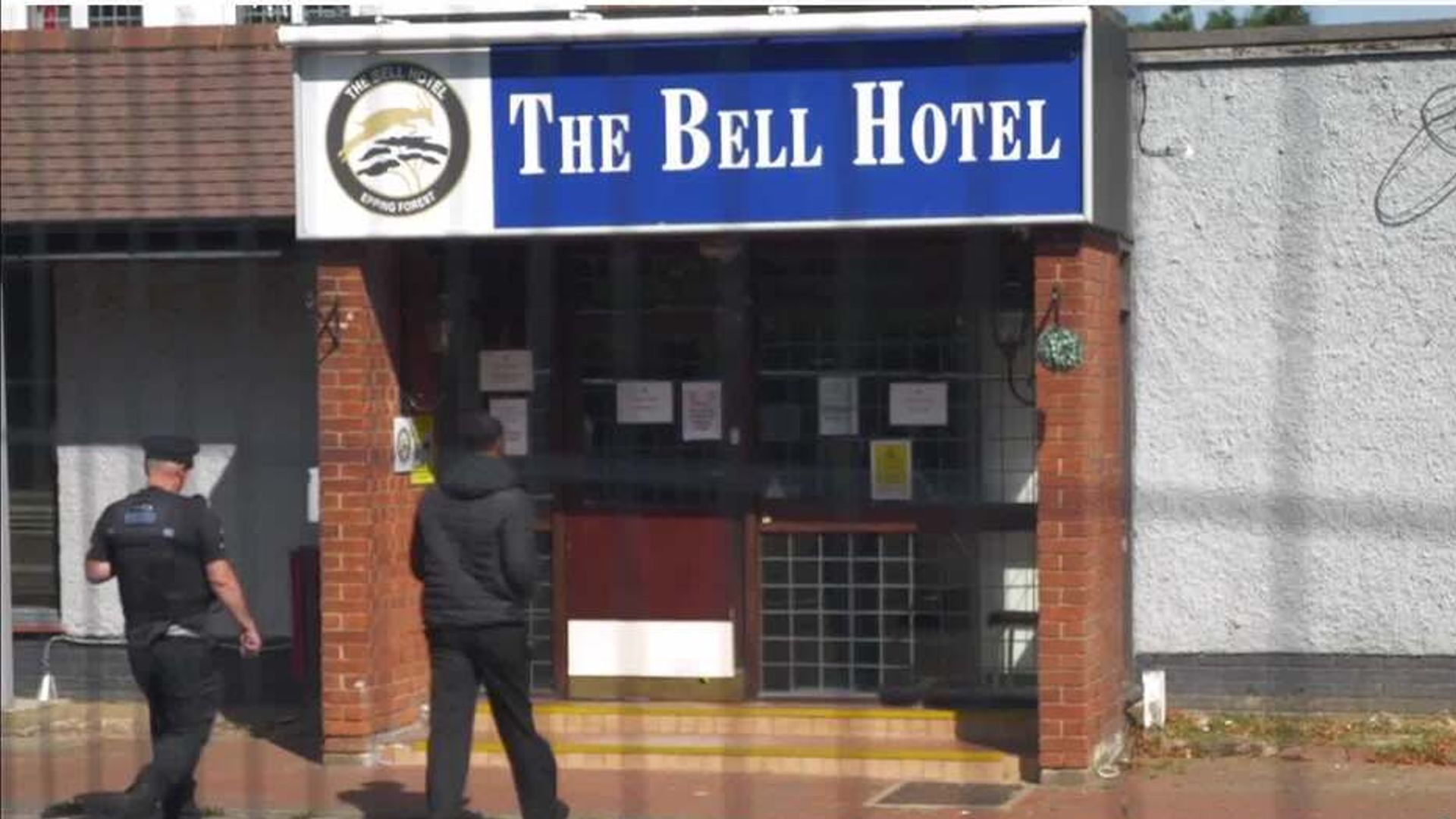
Epping council loses latest bid to stop housing asylum seekers at hotel
#Epping council #asylum seekers #hotel accommodation #legal challenge #housing dispute #immigration policy #local opposition
📌 Key Takeaways
- Epping council's legal challenge to prevent housing asylum seekers at a local hotel has been rejected
- The decision represents a setback for the council's efforts to block the accommodation plan
- The hotel will continue to be used to house asylum seekers despite local opposition
- The case highlights ongoing tensions between local authorities and national asylum policies
📖 Full Retelling
🏷️ Themes
Asylum Policy, Local Government
Entity Intersection Graph
No entity connections available yet for this article.
Deep Analysis
Why It Matters
This decision matters because it affects local community resources, national asylum policy implementation, and the ongoing tension between local governance and national immigration strategy. It impacts Epping residents who may see changes in local services and community dynamics, asylum seekers who need safe accommodation, and other councils facing similar situations. The ruling sets a precedent for how local authorities can challenge Home Office decisions on asylum accommodation, potentially influencing future cases across the UK.
Context & Background
- The UK has used hotels as temporary asylum accommodation since 2021 due to processing backlogs and insufficient long-term housing
- Local councils have frequently challenged these placements citing strain on services, community cohesion concerns, and lack of consultation
- The Home Office has legal powers to requisition hotels for asylum accommodation under immigration and asylum acts
- Epping Forest District Council previously lost a High Court case in 2023 attempting to block the same hotel arrangement
- The UK received over 75,000 asylum applications in 2022, creating significant accommodation pressures
What Happens Next
The hotel will continue housing asylum seekers while the Home Office seeks more permanent accommodation solutions. Epping council may consider further legal appeals or shift focus to managing local impacts through service adjustments. Other councils with similar challenges will likely monitor this case when deciding their own legal strategies. The government may face increased pressure to develop alternative accommodation plans before the next general election.
Frequently Asked Questions
Councils typically cite insufficient consultation, strain on local services like healthcare and education, and concerns about community integration. They argue they lack resources to support sudden population increases and want more sustainable, dispersed accommodation solutions.
The Home Office uses powers under the Immigration and Asylum Act 1999 to provide accommodation for asylum seekers. These powers generally override local planning regulations when addressing urgent housing needs for asylum applicants.
Stays vary from months to over a year depending on case processing times. The Home Office aims to move people to longer-term housing but faces systemic delays in decision-making and limited alternative accommodation options.
Alternatives include purpose-built reception centers, dispersed social housing, former military bases, and barge accommodations. All options face challenges regarding capacity, location suitability, and community acceptance.
Generally no - most asylum seekers cannot work while their claims are processed, though some may qualify for permission after 12 months. They receive limited financial support instead, currently around £49 per week for basic needs.