
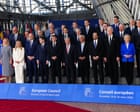
EU leaders vow to support Cyprus in ‘frank discussion’ on future of British bases
#Cyprus #British bases #EU support #sovereign base areas #Brexit #diplomacy #military presence #Akrotiri and Dhekelia
📌 Key Takeaways
- EU leaders pledge support for Cyprus regarding British military bases
- Discussions focus on the future status of UK sovereign base areas in Cyprus
- Talks described as 'frank', indicating open and direct diplomatic dialogue
- Issue involves post-Brexit arrangements and Cyprus's sovereignty concerns
📖 Full Retelling
🏷️ Themes
International Relations, Sovereignty, Post-Brexit
📚 Related People & Topics
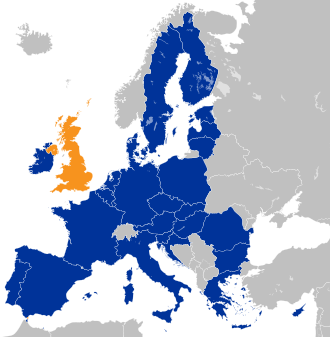
Brexit
Withdrawal of the UK from the EU
Brexit (; a portmanteau of "Britain" and "Exit") was the withdrawal of the United Kingdom (UK) from the European Union (EU). Brexit took place at 23:00 GMT on 31 January 2020 (00:00 1 February 2020 CET). The UK, which joined the EU precursor, the European Communities (EC), on 1 January 1973, is the ...

Cyprus
Island country in West Asia and the Mediterranean Sea
Cyprus, officially the Republic of Cyprus, is an island country in the eastern Mediterranean Sea, located off the coast of the Levant in West Asia. Cyprus’ capital and largest municipality is Nicosia. The northeast portion of the island is occupied by Turkey, which is separated from the Republic of ...

Akrotiri and Dhekelia
British Overseas Territory on Cyprus
Akrotiri and Dhekelia ( AK-row-TIER-ee and dih-KAY-lee-ə), officially the Sovereign Base Areas of Akrotiri and Dhekelia (SBAs), is a British Overseas Territory that consists of two separate areas on the island of Cyprus. The areas, which include British military bases and installations that were fo...
Entity Intersection Graph
Connections for Brexit:
Mentioned Entities
Deep Analysis
Why It Matters
This news matters because it involves sovereignty issues in a geopolitically sensitive region where Cyprus has long sought to reclaim full control over its territory. It affects Cyprus's national sovereignty, UK-EU post-Brexit relations, and regional stability in the Eastern Mediterranean. The discussion could impact military presence arrangements dating back to Cyprus's independence, potentially altering security dynamics involving NATO, EU, and regional actors like Turkey and Greece.
Context & Background
- The British Sovereign Base Areas (SBAs) in Cyprus were established in 1960 when Cyprus gained independence from British rule, allowing the UK to maintain military bases at Akrotiri and Dhekelia.
- Cyprus has been divided since 1974 when Turkey invaded following a Greek-inspired coup, creating the Turkish Republic of Northern Cyprus (recognized only by Turkey) and the Republic of Cyprus in the south.
- The UK bases have served as strategic military outposts for British and allied forces, including during conflicts in the Middle East, and host significant intelligence gathering facilities.
- Cyprus joined the European Union in 2004, but the application of EU law in the British bases has been limited and subject to special protocols.
- Brexit has complicated the status of the bases, as they are now UK territory outside the EU but located within an EU member state.
What Happens Next
Expect formal negotiations between Cyprus and the UK, likely mediated by EU representatives, to address sovereignty concerns and future base operations. The EU may push for greater application of EU law within the bases. Watch for developments around the 2025 anniversary of Cyprus's independence, which could serve as a symbolic deadline. Regional security discussions involving Greece and Turkey will likely intensify, especially given ongoing tensions over maritime boundaries and energy resources.
Frequently Asked Questions
The British Sovereign Base Areas are two UK overseas territories on Cyprus—Akrotiri and Dhekelia—established in 1960. They serve as strategic military bases and are not part of the Republic of Cyprus, though they are surrounded by its territory.
The EU supports Cyprus as a member state seeking to resolve longstanding sovereignty issues. This aligns with EU principles of territorial integrity and may help address post-Brexit complexities regarding the application of EU law in the bases.
Relations could become strained if negotiations over the bases' future are contentious. However, both countries have incentives to maintain cooperation on security and counter-terrorism, suggesting a compromise is likely.
Turkey's presence in Northern Cyprus and its disputes with Cyprus over maritime resources add complexity. Any change to the British bases could influence regional power balances, potentially affecting Turkey's strategic calculations.
Full closure is unlikely due to their strategic value for NATO and UK operations. More probable outcomes include reduced UK presence, increased Cypriot oversight, or revised agreements allowing joint use.