
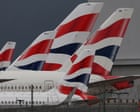
Europe’s biggest airlines say fuel price spike caused by Iran war will drive up fares
#airlines #fuel prices #fare increases #Europe #Iran conflict #aviation industry #travel costs
📌 Key Takeaways
- European airlines warn of fare increases due to rising fuel costs.
- Fuel price spike is attributed to the Iran conflict.
- Major carriers are adjusting pricing to offset higher expenses.
- Passengers should expect higher ticket prices in the near term.
📖 Full Retelling
🏷️ Themes
Aviation, Fuel Costs
📚 Related People & Topics
List of wars involving Iran
This is a list of wars involving the Islamic Republic of Iran and its predecessor states. It is an unfinished historical overview.

Europe
Continent
Europe is a continent located entirely in the Northern Hemisphere and mostly in the Eastern Hemisphere. It is bordered by the Arctic Ocean to the north, the Atlantic Ocean to the west, the Mediterranean Sea to the south, and Asia to the east. Europe shares the landmass of Eurasia with Asia, and of A...
Entity Intersection Graph
Connections for List of wars involving Iran:
Mentioned Entities
Deep Analysis
Why It Matters
This news matters because rising airfares directly impact consumer travel costs, potentially reducing demand for both leisure and business travel. It affects millions of travelers across Europe and globally, as well as tourism-dependent economies. Airlines face squeezed profit margins, which could lead to route reductions or service cuts. The situation also highlights how geopolitical conflicts in one region can create economic ripple effects worldwide through energy markets.
Context & Background
- Jet fuel typically represents 20-30% of airline operating costs, making carriers highly sensitive to price fluctuations
- The Iran-Israel conflict has created uncertainty in Middle Eastern oil markets, where approximately 30% of global oil passes through the Strait of Hormuz
- European airlines have been recovering from pandemic losses and facing increased environmental regulation costs
- Previous oil price spikes (2008, 2014) led to significant airfare increases and some airline bankruptcies
- Many airlines use fuel hedging strategies to mitigate price volatility, but these have limitations during sudden geopolitical shocks
What Happens Next
Airlines will likely implement fuel surcharges or base fare increases within 1-2 months if prices remain elevated. We may see reduced flight frequencies on marginal routes and delayed fleet expansion plans. The European Commission could face pressure to provide temporary relief measures. If the conflict escalates further, more severe travel disruptions could occur alongside higher insurance premiums for Middle Eastern routes.
Frequently Asked Questions
Industry analysts estimate each $10 increase in oil prices could translate to 2-4% higher airfares, though this varies by route and airline. Some long-haul flights might see more significant increases than short-haul routes.
No, low-cost carriers with tighter margins may be more affected than legacy airlines with fuel hedging programs. Airlines with newer, more fuel-efficient fleets will also fare better than those operating older aircraft.
Booking further in advance, being flexible with travel dates, and considering alternative airports or destinations can help. Travelers should also monitor airline policies regarding fuel surcharges and cancellation options.
This depends on the duration and severity of the Middle East conflict. Historically, fuel-driven fare increases persist for 6-18 months after price spikes, though some costs may become permanent.
While major European carriers have stronger balance sheets post-pandemic, prolonged high fuel costs combined with reduced demand could push weaker airlines toward financial distress, particularly smaller regional carriers.