
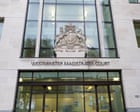
Ex-Syrian colonel appears in UK court on charges of crimes against humanity
#Syria #crimes against humanity #UK court #universal jurisdiction #war crimes #prosecution #former colonel
📌 Key Takeaways
- Former Syrian colonel faces UK court for alleged crimes against humanity
- Charges relate to actions during the Syrian conflict
- Case highlights international legal efforts to address war crimes
- Prosecution under UK's universal jurisdiction laws
📖 Full Retelling
🏷️ Themes
War Crimes, International Justice
📚 Related People & Topics

Syria
Country in West Asia
Syria, officially the Syrian Arab Republic, is a country in West Asia located in the Eastern Mediterranean and the Levant. It borders the Mediterranean Sea to the west, Turkey to the north and northwest, Iraq to the east and southeast, Jordan to the south, and Israel and Lebanon to the southwest. It...
Entity Intersection Graph
Connections for Syria:
Mentioned Entities
Deep Analysis
Why It Matters
This case represents a significant development in international justice as it marks one of the first times a senior Syrian official faces charges in a Western court for crimes committed during Syria's civil war. It matters to victims seeking accountability for atrocities, human rights organizations advocating for justice, and governments pursuing legal pathways against alleged war criminals. The proceedings could establish important legal precedents for prosecuting international crimes when domestic courts are unwilling or unable to do so, potentially affecting future cases against officials from conflict zones worldwide.
Context & Background
- Syria's civil war began in 2011 with protests against President Bashar al-Assad's government and has since resulted in over 500,000 deaths and displacement of millions
- The conflict has involved numerous alleged war crimes including chemical weapons attacks, torture in detention facilities, and targeting of civilians
- Previous international justice efforts have been limited due to Syria not being a member of the International Criminal Court and Russia/China blocking UN Security Council referrals
- Universal jurisdiction laws in some countries allow prosecution of serious international crimes regardless of where they occurred or the nationality of perpetrators
What Happens Next
The UK court will proceed with preliminary hearings to determine jurisdiction and evidence admissibility, with a potential trial date set for 2025 if the case moves forward. Human rights organizations will likely submit amicus briefs and evidence, while Syrian opposition groups may provide witness testimony. The outcome could influence similar cases in Germany, France, and Sweden where Syrian officials face investigations, and may prompt other countries to pursue universal jurisdiction cases against alleged perpetrators from various conflict zones.
Frequently Asked Questions
The charges likely involve crimes against humanity including torture, murder, and persecution as part of systematic attacks against civilians during Syria's conflict. These allegations typically relate to command responsibility for atrocities committed by security forces under their authority.
Syria's government hasn't prosecuted its own officials for alleged war crimes, and the International Criminal Court lacks jurisdiction since Syria isn't a member. The UK is using universal jurisdiction laws that allow prosecution of serious international crimes regardless of where they occurred.
Details aren't specified, but typically such defendants either sought asylum, were arrested while traveling, or were already residing in the country. Some former officials have fled Syria since the conflict began, with various countries granting or denying asylum applications.
Key evidence will include documentation from Syrian government facilities, testimony from survivors and defectors, and forensic analysis of detention sites. Digital evidence like government documents and communications may also play a significant role in establishing command responsibility.
Yes, successful prosecution could encourage more cases against senior officials, though practical challenges remain including diplomatic immunity for current officials and difficulty obtaining evidence from Syria. The case may establish legal frameworks that could eventually target higher-level perpetrators.