
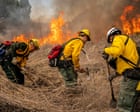
Firefighting departments close in some US states amid lack of volunteers
#firefighting #volunteer shortage #department closures #emergency services #rural communities
📌 Key Takeaways
- Volunteer fire departments are shutting down in multiple US states due to insufficient volunteer numbers.
- The closures are creating gaps in emergency response coverage, particularly in rural areas.
- Recruitment and retention challenges are driven by time commitments, training demands, and economic pressures.
- Communities are exploring alternatives like regional consolidation or paid positions to maintain services.
📖 Full Retelling
🏷️ Themes
Public Safety, Volunteer Crisis
Entity Intersection Graph
No entity connections available yet for this article.
Deep Analysis
Why It Matters
This news matters because it reveals a critical breakdown in community emergency response systems that directly threatens public safety. When fire departments close due to volunteer shortages, residents face longer response times during fires, medical emergencies, and other crises, potentially leading to greater property damage and loss of life. This affects rural and suburban communities most severely, where volunteer departments often serve as the primary emergency responders. The trend also signals broader societal shifts in community engagement and workforce availability that could impact other essential volunteer-based services.
Context & Background
- Volunteer firefighters comprise approximately 67% of all firefighters in the United States, with over 745,000 volunteers serving nationwide according to the National Fire Protection Association
- Many rural communities have relied on volunteer fire departments since the 19th century due to budget constraints and lower population densities
- The number of volunteer firefighters has declined by about 12% nationally since the 1980s, while emergency call volumes have increased significantly
- Training requirements for firefighters have become more extensive and time-consuming over recent decades, creating additional barriers to volunteer participation
- Many volunteer departments face aging membership with average volunteer ages increasing as younger generations show less participation
What Happens Next
Affected communities will likely face increased insurance premiums due to reduced fire protection ratings, potentially forcing county or state governments to implement emergency funding measures. Some areas may consolidate departments or create regional fire districts to pool resources. State legislatures in affected regions will probably consider incentives like tax credits, tuition assistance, or pension benefits to attract volunteers. The situation may accelerate the transition to paid departments in some communities, requiring tax increases or budget reallocations that could face voter resistance.
Frequently Asked Questions
Departments are closing due to a perfect storm of factors including increased training requirements, time commitments that conflict with modern work schedules, demographic shifts in rural areas, and competition for volunteers' time from other obligations. Many long-time volunteers are aging out without sufficient replacements from younger generations.
Rural states with traditionally high reliance on volunteer departments are most affected, including Pennsylvania, New York, Ohio, and Midwestern states. However, suburban areas experiencing rapid growth without corresponding public safety funding are also increasingly impacted by volunteer shortages.
Neighboring departments must cover larger territories, increasing response times that can mean the difference between containable fires and major disasters. Some communities implement automatic aid agreements, but these strain resources of surrounding departments that may already face their own volunteer challenges.
Transitioning to paid departments requires significant tax increases that many small communities cannot afford, especially in low-income rural areas. Even partial staffing with paid personnel during daytime hours when volunteers are at work represents a major financial burden for municipalities with limited budgets.
Primary barriers include increased training requirements (often 100+ hours), time conflicts with multiple-job households, employer restrictions on emergency response during work hours, and liability concerns. Younger generations also show different patterns of community engagement than previous generations.
Insurance companies use fire protection ratings to determine premiums, and department closures typically result in downgraded ratings. This can lead to premium increases of 20-50% or more, and in extreme cases, insurers may refuse to write policies in areas deemed too high-risk without adequate fire protection.