
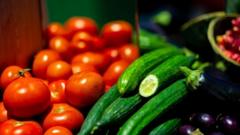
Food prices likely to rise due to Iran war, farmers' union says
#food prices #Iran war #farmers union #supply chain #agriculture #inflation #global conflict
📌 Key Takeaways
- The National Farmers' Union warns of potential food price increases due to the Iran conflict.
- Disruptions in global supply chains from the war are cited as a primary cause.
- The union emphasizes the impact on agricultural inputs and transportation costs.
- Consumers may face higher grocery bills as a result of these market pressures.
📖 Full Retelling
🏷️ Themes
Food Security, Geopolitical Impact
📚 Related People & Topics
List of wars involving Iran
This is a list of wars involving the Islamic Republic of Iran and its predecessor states. It is an unfinished historical overview.
Entity Intersection Graph
Connections for List of wars involving Iran:
Mentioned Entities
Deep Analysis
Why It Matters
This news matters because rising food prices directly impact household budgets for consumers globally, potentially increasing food insecurity for vulnerable populations. It affects farmers who face higher input costs and supply chain disruptions, while governments may need to implement price controls or subsidies. The economic ripple effects could contribute to broader inflation and social unrest in regions dependent on food imports.
Context & Background
- Global food prices have been volatile in recent years due to climate events, COVID-19 disruptions, and the Russia-Ukraine war
- Iran is a significant regional power in the Middle East with strategic waterways like the Strait of Hormuz affecting global oil and trade flows
- Previous Middle East conflicts have historically caused oil price spikes that increased agricultural production and transportation costs
- Many countries rely on grain imports from the Black Sea region, which could face additional disruption if conflict spreads
What Happens Next
Expect official statements from agricultural ministries and international organizations like FAO monitoring the situation. Food commodity markets will likely show increased volatility in coming weeks. Governments may announce emergency food reserves releases or export restrictions. If conflict escalates, emergency UN Security Council discussions about food security implications could occur within 1-2 months.
Frequently Asked Questions
Conflict could disrupt oil supplies, increasing fuel costs for farming equipment and food transportation. It might also block critical shipping routes like the Strait of Hormuz, delaying grain shipments. Regional instability could spread to affect agricultural production in neighboring countries.
Staple grains like wheat and rice would likely see immediate price impacts due to transportation disruptions. Fruits and vegetables requiring refrigeration would face higher costs from increased energy prices. Processed foods would experience compounded increases from both ingredient and manufacturing cost rises.
Governments can release strategic grain reserves to increase market supply temporarily. They might implement price controls on essential items or provide targeted subsidies to low-income households. International coordination through organizations like the World Food Programme could help stabilize global markets.
Farmers' unions have direct insight into production costs and supply chain challenges, making their warnings credible. However, actual price impacts depend on many unpredictable factors including conflict duration and international responses. Their predictions often serve as early warnings that prompt preventive action.
Locally grown food might see smaller price increases initially due to shorter supply chains, but would still face higher energy and input costs. Organic farming could be disproportionately affected if it relies more on imported organic fertilizers or faces higher certification compliance costs during disruptions.