
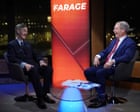
Funding for populist-right ‘media-political complex’ exceeded £170m in five years, research finds
#populist-right #media-political complex #funding #research #£170 million #five years #democracy #influence
📌 Key Takeaways
- Populist-right media-political complex received over £170 million in funding over five years
- Research highlights significant financial backing for right-wing populist movements and media
- Findings suggest a coordinated effort between political and media entities to influence public opinion
- The study raises concerns about the impact of such funding on democratic processes
📖 Full Retelling
🏷️ Themes
Political Funding, Media Influence
Entity Intersection Graph
No entity connections available yet for this article.
Deep Analysis
Why It Matters
This research reveals the substantial financial infrastructure supporting populist-right movements, which influences political discourse and electoral outcomes across multiple countries. The findings matter because they expose how coordinated funding flows between media and political organizations can amplify specific ideologies and potentially undermine traditional democratic institutions. This affects voters, policymakers, and media regulators who must understand these financial networks to assess political messaging and potential regulatory gaps.
Context & Background
- Populist-right movements have gained significant political traction globally over the past decade, with parties winning elections in Europe, North America, and South America
- Traditional media fragmentation and the rise of digital platforms have created new opportunities for ideological media ecosystems to develop
- Previous research has documented connections between political movements and media outlets, but comprehensive financial tracking has been limited
- Campaign finance regulations vary significantly between countries, creating potential loopholes for cross-border funding of political-media operations
What Happens Next
The research will likely trigger calls for greater transparency in political-media funding and potential regulatory reforms in affected countries. Journalists and watchdog groups may use these findings to investigate specific organizations mentioned in the research. Political opponents of populist-right movements will probably cite these figures in upcoming election campaigns to question their opponents' funding sources.
Frequently Asked Questions
A media-political complex refers to interconnected networks where media organizations and political groups coordinate messaging and resources. These complexes often share funding sources, personnel, and ideological goals to amplify specific political narratives while maintaining the appearance of independent operations.
While the article doesn't specify countries, similar research typically focuses on Western democracies where populist-right movements have gained prominence. Likely affected nations include the United States, United Kingdom, Italy, France, and Brazil, where such movements have substantial political representation.
£170m over five years represents significant resources, though mainstream political parties and their associated media often have larger budgets. The importance lies in how concentrated this funding is within specific ideological networks rather than the absolute amount compared to established political machines.
Such funding typically comes from wealthy individuals, foundations, corporate interests aligned with populist-right policies, and sometimes foreign entities. Digital revenue streams from subscription platforms and advertising also contribute to these media operations' sustainability.
The research documents financial flows but doesn't necessarily indicate illegality. The concern focuses on transparency gaps and how current regulations may allow coordinated media-political operations that function as integrated campaigns while technically operating as separate entities.