
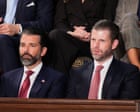
Golf club firm owned by Trump’s sons merges with drone manufacturer
#Trump Golf #drone manufacturer #merger #golf course management #Digital Aerolus #technology #business
📌 Key Takeaways
- Trump Golf, owned by Donald Trump Jr. and Eric Trump, merges with drone manufacturer Digital Aerolus.
- The merger aims to integrate drone technology into golf course management and operations.
- The new entity plans to enhance course maintenance, security, and player experience using drones.
- The deal reflects a trend of blending traditional sports industries with advanced technology.
📖 Full Retelling
🏷️ Themes
Business Merger, Technology Integration
Entity Intersection Graph
No entity connections available yet for this article.
Deep Analysis
Why It Matters
This merger is significant because it combines a luxury consumer brand associated with a prominent political family with a technology company in the defense and commercial drone sector, potentially influencing market perceptions and investment flows. It affects stakeholders including investors in both companies, customers of Trump-branded golf products, and the broader drone industry, which may see increased attention due to the Trump family's involvement. The deal also raises questions about the intersection of business ventures with political legacies, especially as the Trump family remains active in both commerce and public life.
Context & Background
- The Trump Organization, founded by former President Donald Trump, has long been involved in golf course management and luxury branding, with his sons, Donald Trump Jr. and Eric Trump, taking on leadership roles in recent years.
- Drone manufacturing has grown rapidly due to applications in defense, agriculture, and logistics, with companies like DJI dominating the market and others seeking niches through mergers or partnerships.
- The Trump family has previously faced scrutiny over business dealings, including conflicts of interest during Donald Trump's presidency, making any new venture subject to public and regulatory attention.
What Happens Next
Following the merger, expect integration efforts between the golf club firm and drone manufacturer, potentially leading to new product lines or marketing campaigns by late 2024. Regulatory reviews may occur if the drone company has defense contracts, with possible announcements on partnerships or expansions in early 2025. The deal could also prompt reactions from competitors and investors, influencing stock performance or industry consolidation trends.
Frequently Asked Questions
Customers may see limited immediate changes, but the merger could lead to future innovations, such as drone-assisted golf course management or tech-enhanced products, though core golf offerings are likely to remain focused on luxury and quality.
This merger likely aims to diversify business portfolios, leveraging the Trump brand's visibility to enter the growing drone market, which offers opportunities in sectors like aerial imaging, security, and logistics beyond golf.
Yes, if the drone manufacturer has ties to defense or sensitive technologies, it might require government approvals, especially given the Trump family's political profile, which could attract scrutiny from agencies like the Committee on Foreign Investment in the United States (CFIUS).
The merger could increase competition by introducing a well-known brand, potentially driving innovation or partnerships, but it may also draw attention to regulatory and ethical issues in drone usage, influencing industry standards.
As owners of the golf club firm, Donald Trump Jr. and Eric Trump are likely key decision-makers in the merger, overseeing integration and strategy to align with the Trump family's broader business interests and public image.