
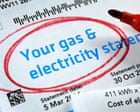
High levels of debt on essential UK bills are the ‘new normal’, warn campaigners
#debt #essential bills #UK #campaigners #financial strain #households #affordability #economic pressure
📌 Key Takeaways
- Campaigners warn that high debt on essential bills is now the 'new normal' in the UK.
- The issue highlights widespread financial strain among households.
- Essential bills, such as utilities and housing costs, are primary sources of debt.
- This trend reflects broader economic pressures affecting affordability.
📖 Full Retelling
🏷️ Themes
Household Debt, Economic Pressure
📚 Related People & Topics

United Kingdom
Country in northwestern Europe
The United Kingdom of Great Britain and Northern Ireland, commonly known as the United Kingdom (UK) or Britain, is a country in northwestern Europe, off the coast of the continental mainland. It comprises England, Scotland, Wales and Northern Ireland, with a population of over 69 million in 2024. Th...
Entity Intersection Graph
Connections for United Kingdom:
View full profileMentioned Entities
Deep Analysis
Why It Matters
This news is important because it highlights a systemic financial crisis affecting millions of UK households, indicating that debt on essentials like energy, water, and council tax is no longer temporary but a persistent condition. It affects low- and middle-income families, vulnerable populations, and the broader economy by reducing consumer spending and increasing reliance on social support. The warning from campaigners underscores the need for policy interventions to address rising living costs and stagnant wages, as sustained debt can lead to severe consequences like mental health issues, housing insecurity, and long-term poverty.
Context & Background
- The UK has faced a cost-of-living crisis since 2021, driven by factors such as high inflation, energy price spikes, and stagnant wage growth.
- Historical data shows household debt in the UK has been rising, with unsecured debt like credit cards and loans reaching record levels pre-pandemic, exacerbated by recent economic pressures.
- Campaign groups and charities have long warned about the impact of austerity measures and welfare cuts since the 2008 financial crisis, which have reduced safety nets for struggling families.
- Essential bills, including energy, water, and council tax, have seen above-inflation increases in recent years, with government support schemes like the Energy Price Cap providing limited relief.
- The COVID-19 pandemic intensified financial strain for many households, leading to increased borrowing and arrears, with debt becoming more normalized in post-pandemic recovery.
What Happens Next
In the short term, campaigners are likely to pressure the government and regulators for immediate relief measures, such as expanded debt forgiveness programs or bill subsidies, ahead of the winter 2024-2025 period when energy costs typically rise. Upcoming developments may include parliamentary debates or inquiries into household debt, with potential policy announcements in the Autumn Statement 2024. Long-term, if unaddressed, this trend could lead to increased defaults, higher demand for food banks and mental health services, and possible regulatory changes to protect consumers from aggressive debt collection practices.
Frequently Asked Questions
Essential UK bills typically include utilities like energy (gas and electricity), water, council tax, and telecommunications, which are necessary for daily living and often mandated by law. These are distinct from discretionary spending like entertainment or non-essential goods, and debt on them can lead to severe consequences such as service disconnection or legal action.
The campaigners likely include charities, consumer rights groups, and advocacy organizations such as Citizens Advice, StepChange Debt Charity, or the Joseph Rowntree Foundation, which monitor household finances and lobby for policy changes. They often conduct research, provide support to indebted individuals, and raise public awareness about systemic economic challenges affecting vulnerable populations.
It is called the 'new normal' because high debt levels on essentials are no longer seen as a temporary crisis but a sustained condition due to persistent factors like inflation, low wage growth, and rising living costs. This shift indicates that many households are chronically unable to cover basic expenses, reflecting deeper structural economic issues rather than short-term financial mismanagement.
This debt reduces household disposable income, leading to lower consumer spending, which can slow economic growth and impact businesses reliant on domestic demand. It also increases pressure on public services and social support systems, potentially raising government spending on welfare and healthcare, while high debt levels can undermine financial stability and credit markets.
Individuals can seek free advice from debt charities like StepChange or Citizens Advice, which offer guidance on budgeting, negotiating payment plans with providers, and accessing government support schemes. They may also explore options like debt relief orders or breathing space schemes, and should prioritize communicating with bill providers to avoid severe penalties like disconnection or court action.