
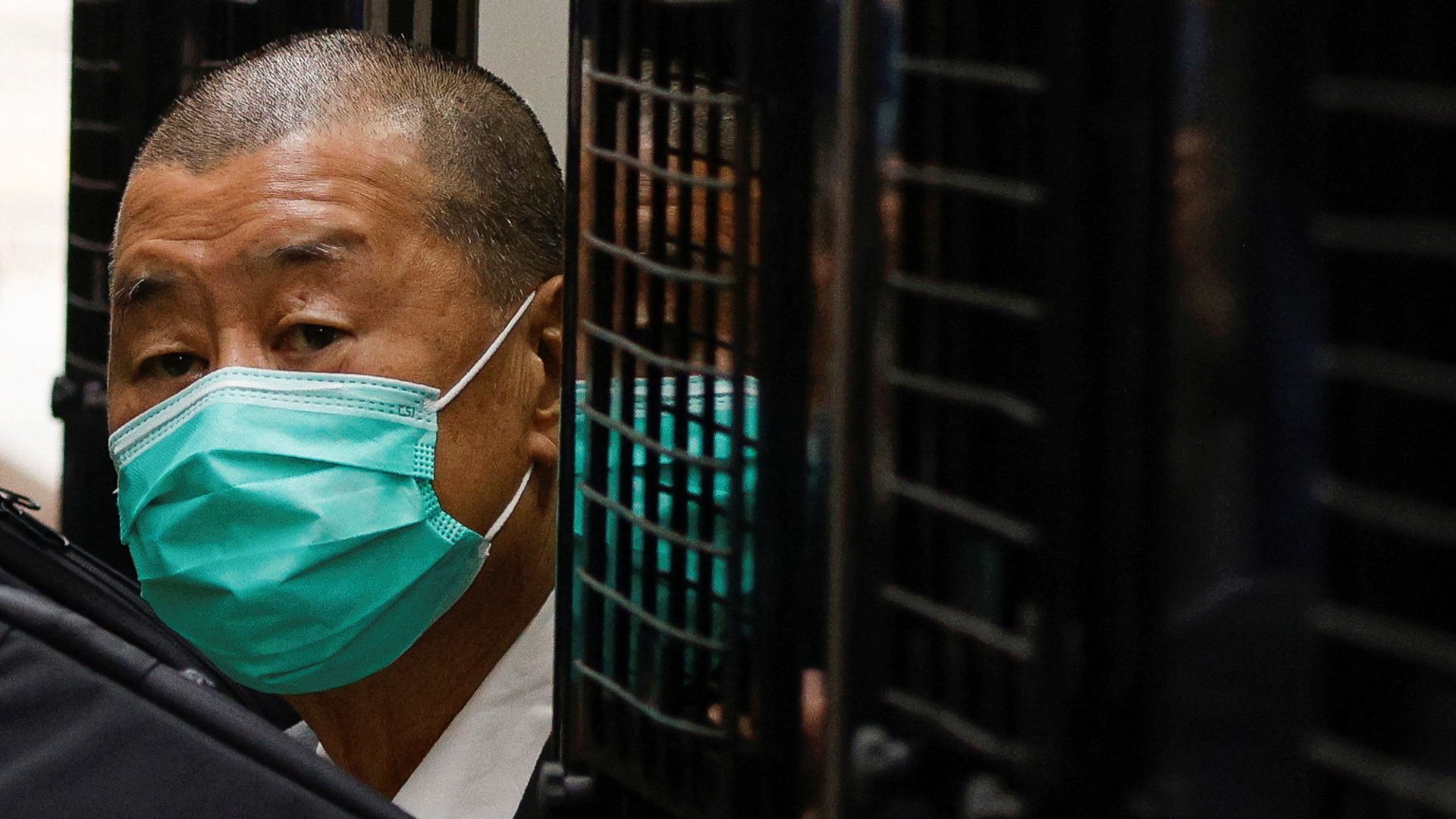
Hong Kong leader celebrates Jimmy Lai's sentence - as plan to enhance security law published
#Jimmy Lai #John Lee #Hong Kong #National Security Law #Apple Daily #Press Freedom #Pro-democracy
📌 Key Takeaways
- Hong Kong leader John Lee publicly supported the sentencing of Jimmy Lai, calling him a 'poison' to the city.
- Jimmy Lai, a British citizen and media tycoon, was sentenced to nearly 14 years in prison for national security offenses.
- The Hong Kong administration simultaneously announced plans to further tighten and enhance domestic security laws.
- International observers view the case as a major blow to press freedom and the autonomy of Hong Kong's legal system.
📖 Full Retelling
Hong Kong Chief Executive John Lee formally praised the sentencing of British media tycoon and pro-democracy activist Jimmy Lai to nearly 14 years in prison during a government briefing in Hong Kong on Tuesday, asserting that the punishment was necessary to address the 'poison' Lai supposedly spread throughout the city. The 77-year-old founder of the now-defunct Apple Daily newspaper was convicted of conspiring to collude with foreign forces and publishing seditious materials under the Beijing-imposed National Security Law. Lee’s remarks coincide with the administration's broader push to solidify its control over civil society and media expression in the former British colony.
In his public address, John Lee characterized Lai as a mastermind behind the 2019 anti-government protests, claiming the tycoon used his media platform to undermine national security and incite public unrest. The sentencing has drawn sharp condemnation from international human rights organizations and Western governments, who view the trial as a politically motivated crackdown on press freedom and democratic values. Despite this global backlash, the Hong Kong administration has remained firm, framing the legal proceedings as a restoration of law and order after years of political instability.
Parallel to these celebratory remarks, the Hong Kong government has published new plans to further enhance the city’s security framework. These legislative updates aim to close perceived loopholes in existing laws and grant authorities wider powers to monitor and prosecute activities deemed a threat to national interest. Critics argue that these escalating measures represent a total dismantling of the 'one country, two systems' principle, effectively aligning the city's legal landscape with that of mainland China. The combination of Lai's harsh sentencing and the expansion of security statutes signals a definitive shift toward a more restrictive governance model in the financial hub.
🏷️ Themes
Human Rights, Politics, Law
Entity Intersection Graph
No entity connections available yet for this article.
Original Source
The leader of Hong Kong has celebrated the 20-year jail sentence given to British pro-democracy campaigner Jimmy Lai, saying the media tycoon had "poisoned" the city.
Read full article at source