
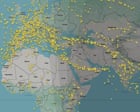
How Flightradar24 became the go-to platform for the world to watch global aviation crises unfold
#Flightradar24 #aviation crises #real-time tracking #ADS-B technology #global aviation #flight data #public platform #air traffic monitoring
📌 Key Takeaways
- Flightradar24 has become the primary platform for tracking aviation crises globally.
- The platform provides real-time flight data and visualizations accessible to the public.
- Its popularity surged during high-profile aviation incidents, enhancing public awareness.
- It combines ADS-B technology with crowdsourced data for comprehensive coverage.
- The service is used by both aviation enthusiasts and professionals for monitoring air traffic.
📖 Full Retelling
🏷️ Themes
Aviation Technology, Crisis Monitoring, Public Engagement
Entity Intersection Graph
No entity connections available yet for this article.
Deep Analysis
Why It Matters
Flightradar24's rise as the primary platform for tracking aviation crises matters because it democratizes access to real-time flight data that was previously limited to aviation professionals and authorities. This affects millions of travelers, aviation enthusiasts, journalists, and concerned citizens who can now independently monitor flights during emergencies like disappearances, hijackings, or accidents. The platform's popularity during crises highlights how technology is transforming public access to information that was once tightly controlled by governments and airlines. This shift empowers ordinary people to participate in global events but also raises questions about data accuracy and privacy in sensitive situations.
Context & Background
- Flightradar24 was founded in 2006 as a hobby project by two Swedish aviation enthusiasts before becoming a commercial service
- The platform uses ADS-B (Automatic Dependent Surveillance-Broadcast) technology that transmits aircraft position data, which is collected by thousands of volunteer receivers worldwide
- The 2014 disappearance of Malaysia Airlines Flight MH370 marked a turning point when millions turned to Flightradar24 to understand the crisis, establishing its role in major aviation events
- Traditional flight tracking was primarily limited to air traffic control systems and proprietary airline software before public platforms emerged
- The platform now tracks over 200,000 flights daily with data from more than 40,000 ADS-B receivers globally
What Happens Next
Flightradar24 will likely expand its crisis monitoring capabilities with enhanced data visualization and AI-powered anomaly detection. The platform may face increased regulatory scrutiny regarding data sharing during sensitive incidents, potentially leading to partnerships with aviation authorities. Expect continued growth in user base during future aviation emergencies, with possible integration of additional data sources like satellite tracking. The company may develop specialized tools for journalists and investigators while navigating privacy concerns about real-time aircraft tracking.
Frequently Asked Questions
Flightradar24 primarily uses ADS-B technology where aircraft automatically broadcast their position, altitude, and identification. Thousands of volunteer-operated ground stations worldwide receive these signals and share the data with the platform. The system also incorporates data from satellite networks and traditional radar sources where available.
The platform provides free, real-time access to flight information that was previously difficult for the public to obtain. During crises like MH370, it offered visual context that helped people understand complex situations. Its user-friendly interface and global coverage made it accessible to both aviation experts and general audiences seeking information.
Yes, Flightradar24 cannot track aircraft that have turned off their transponders or are flying in areas without ADS-B coverage. Military and government flights often don't appear on the platform. The system also has a slight delay (typically 5-60 seconds) and may show incomplete data during technical issues or in remote regions.
The platform has dramatically increased public access to flight information that was once restricted to aviation professionals. It has created new expectations for transparency during aviation incidents and enabled citizen participation in tracking flights. However, this has also led to debates about privacy and appropriate data sharing during sensitive situations.
Flightradar24 offers one of the most comprehensive global networks with extensive volunteer receiver coverage. Its free web interface and mobile apps are particularly user-friendly for non-experts. The platform has built strong brand recognition through its prominent role in major aviation events and continuous service improvements.