
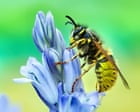
I love vultures, mosquitoes and, yes, even wasps. This is why you should too | Jo Wimpenny
#vultures #mosquitoes #wasps #ecology #biodiversity #conservation #ecosystem services
📌 Key Takeaways
- Vultures, mosquitoes, and wasps are often misunderstood and disliked despite their ecological importance.
- These species play crucial roles in ecosystems, such as decomposition, pollination, and pest control.
- The article advocates for appreciating these animals to promote biodiversity and environmental health.
- Public perception can shift through education about the benefits these creatures provide.
📖 Full Retelling
🏷️ Themes
Biodiversity, Conservation
Entity Intersection Graph
No entity connections available yet for this article.
Deep Analysis
Why It Matters
This article matters because it challenges widespread negative perceptions of misunderstood animals, promoting ecological awareness and conservation. It affects environmental educators, conservationists, and the general public by encouraging more nuanced attitudes toward species often considered pests or nuisances. Changing public perception can lead to better conservation outcomes and more balanced ecosystem management.
Context & Background
- Vultures play crucial roles as nature's cleanup crew, preventing disease spread by consuming carrion
- Mosquitoes serve as important pollinators and food sources in aquatic ecosystems despite their disease vector reputation
- Wasps are significant predators of crop pests and contribute to pollination services in various ecosystems
- Public perception often drives conservation funding and policy, with 'charismatic' species receiving disproportionate attention
- Many maligned species face population declines due to human activities and negative attitudes
What Happens Next
Increased public education campaigns about ecosystem roles of misunderstood species, potential shifts in conservation funding priorities, development of more balanced pest management approaches that consider ecological benefits alongside risks, and possible growth in citizen science projects focused on monitoring these species.
Frequently Asked Questions
Mosquitoes serve vital ecological functions as pollinators and food sources, and only a small percentage of mosquito species transmit diseases to humans. Their larvae filter water and provide food for fish, while adults feed birds and bats.
Wasps are natural pest controllers that consume insects damaging to agriculture and gardens. Many species also pollinate plants, and some have venom being studied for medical applications including cancer treatment.
Vultures efficiently dispose of animal carcasses that could otherwise become breeding grounds for pathogens. Their highly acidic digestive systems destroy dangerous bacteria like anthrax and botulism that could spread to other animals and humans.
Yes, through targeted approaches like controlling specific disease-carrying mosquito species rather than blanket eradication, protecting vulture habitats while managing livestock carcasses safely, and understanding wasp behavior to avoid conflicts rather than eliminating colonies unnecessarily.
Species perceived negatively often receive less conservation funding and legal protection. Changing attitudes can lead to better habitat preservation, reduced persecution, and more research into these species' ecological roles and conservation needs.