
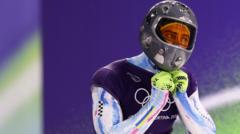
IOC bans Ukrainian skeleton racer over helmet
#IOC #Vladyslav Heraskevych #Winter Olympics #Ukraine #Skeleton #Olympic Charter #Political Neutrality
📌 Key Takeaways
- Ukrainian skeleton racer Vladyslav Heraskevych has been banned from the Winter Olympics by the IOC.
- The ban was triggered by his use of a helmet featuring images of athletes killed during the Russian invasion of Ukraine.
- The IOC cited Rule 50 of the Olympic Charter, which prohibits political demonstrations at Olympic venues.
- Heraskevych defended the gear as a tribute to fallen peers rather than a forbidden political statement.
📖 Full Retelling
The International Olympic Committee (IOC) issued a competitive ban against Ukrainian skeleton racer Vladyslav Heraskevych during the ongoing Winter Olympics preparations after the athlete refused to remove a helmet featuring images of Ukrainian sportsmen killed during the Russian invasion. The disciplinary action was enforced at the Olympic sliding venue following Heraskevych’s repeated use of the gear, which the governing body identified as a violation of strict regulations regarding political demonstrations during sanctioned events. The IOC maintains that according to Rule 50 of the Olympic Charter, no kind of demonstration or political, religious, or racial propaganda is permitted in any Olympic sites, venues, or other areas.
Heraskevych, who has been a vocal advocate for his country since the conflict began in 2022, designed the helmet as a memorial to fallen colleagues and a silent protest against the ongoing war. The imagery specifically depicted the faces of athletes who traded their sporting equipment for military uniforms and subsequently lost their lives on the front lines. While the athlete viewed the gesture as a human rights statement and a tribute to his peers, the IOC officials deemed the graphic content to be a breach of the neutrality protocols required of all participants.
This decision marks a significant escalation in the tension between the IOC's commitment to political neutrality and the personal expressions of athletes from conflict zones. Despite the ban, Heraskevych has remained steadfast in his position, arguing that the deaths of his fellow countrymen are not a matter of politics but a tragic reality that the international sporting community should not ignore. The disqualification effectively ends his medal pursuit for this cycle, highlighting the rigid enforcement of the Olympic Charter even in the face of widespread international sympathy for the Ukrainian cause.
🏷️ Themes
Sports, International Relations, Ethics
Entity Intersection Graph
No entity connections available yet for this article.