
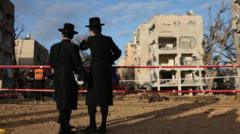
Iranian missiles injure 180 in towns near Israeli nuclear site
#Iran #missiles #Israel #nuclear site #injuries #attack #tensions
📌 Key Takeaways
- Iran launched missiles targeting towns near an Israeli nuclear facility
- The attack resulted in 180 injuries among local residents
- The incident raises tensions in the ongoing regional conflict
- The proximity to a nuclear site adds a layer of strategic concern
🏷️ Themes
Military Conflict, Nuclear Security
Entity Intersection Graph
No entity connections available yet for this article.
Deep Analysis
Why It Matters
This incident represents a significant escalation in the long-standing covert conflict between Iran and Israel, potentially moving it into more direct military confrontation. It directly affects regional stability in the Middle East, threatens civilian populations near strategic sites, and could trigger broader international involvement. The targeting of areas near Israel's nuclear facility raises concerns about potential radiological consequences and demonstrates Iran's willingness to strike sensitive locations. This development impacts global energy markets, international diplomacy efforts, and security arrangements throughout the region.
Context & Background
- Iran and Israel have engaged in a shadow war for decades involving cyberattacks, assassinations, and covert operations without direct military confrontation
- Israel's Dimona nuclear facility in the Negev desert has been operational since the 1960s and is widely believed to house Israel's nuclear weapons program
- Iran has previously threatened retaliation against Israeli nuclear sites in response to attacks on Iranian nuclear facilities, including the Stuxnet cyberattack and assassinations of Iranian nuclear scientists
- Tensions have escalated since Iran's 2019 withdrawal from nuclear deal commitments and Israel's increased targeting of Iranian assets in Syria
- The Middle East has experienced multiple missile attacks between regional powers in recent years, including Iranian strikes on Saudi oil facilities and Houthi attacks on UAE targets
What Happens Next
Israel is likely to respond militarily, potentially targeting Iranian facilities or proxies in Syria, Lebanon, or elsewhere. The United Nations Security Council will likely convene emergency meetings, with Western powers condemning Iran while Russia and China may block stronger actions. Regional tensions will spike with increased military alerts in neighboring countries, and oil prices may rise due to market concerns about Persian Gulf shipping security. Diplomatic efforts by European powers and the U.S. will intensify to prevent further escalation, though prospects for renewed nuclear negotiations may be damaged.
Frequently Asked Questions
Iran likely aims to demonstrate capability to strike sensitive Israeli targets while creating psychological pressure. Targeting near nuclear sites serves as a deterrent warning about potential consequences of attacks on Iranian nuclear facilities. This represents an escalation in Iran's response strategy beyond previous proxy attacks.
Israel will likely conduct retaliatory strikes against Iranian interests, potentially targeting Revolutionary Guard facilities in Syria or Iran-backed militias. Options include cyberattacks on Iranian infrastructure, covert operations, or precision airstrikes. The response will aim to restore deterrence while managing escalation risks.
Dimona is Israel's primary nuclear research center, widely believed to house the country's nuclear weapons program. It represents a core national security asset and has been shrouded in official secrecy. The facility's symbolic importance makes nearby attacks particularly provocative in Israeli security calculations.
These attacks will complicate already stalled negotiations to revive the 2015 nuclear deal. Western powers may demand Iran cease regional aggression as precondition for talks, while Iran may seek leverage through demonstrated military capabilities. The incident strengthens hardline positions in both Tehran and Western capitals.
The main risk involves miscalculation leading to direct Iran-Israel war that could draw in U.S. forces and Iranian proxies. Secondary risks include disruption of Persian Gulf shipping, increased attacks on U.S. bases, and escalation between Israel and Hezbollah. Regional powers like Saudi Arabia and UAE face difficult balancing decisions.