
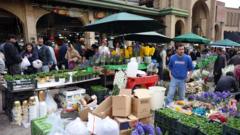
Iranians prepares for Persian new year under shadow of war
#Iran #Nowruz #Persian New Year #war #Middle East #celebration #conflict
📌 Key Takeaways
- Iranians are preparing for Nowruz, the Persian New Year, amid regional tensions and conflict.
- The celebrations are overshadowed by ongoing war and geopolitical instability in the Middle East.
- The article highlights the contrast between traditional festivities and current security concerns.
- It reflects on how Iranians navigate cultural traditions during times of crisis.
🏷️ Themes
Geopolitical Tension, Cultural Tradition
Entity Intersection Graph
No entity connections available yet for this article.
Deep Analysis
Why It Matters
This news matters because it highlights how geopolitical tensions and potential conflict disrupt cultural traditions and daily life for ordinary citizens. It affects millions of Iranians who celebrate Nowruz (Persian New Year) while facing economic hardship, security concerns, and uncertainty about regional stability. The situation also impacts neighboring countries and global energy markets, as Iran's involvement in regional conflicts could escalate tensions further.
Context & Background
- Nowruz is the Persian New Year celebration marking the spring equinox, celebrated for over 3,000 years across Iran and other Persian-influenced regions
- Iran has been involved in regional proxy conflicts, particularly supporting groups in Syria, Yemen, and Lebanon, while facing tensions with Israel and the United States
- The country has faced significant economic challenges due to international sanctions, affecting citizens' purchasing power and quality of life
- Previous Nowruz celebrations have sometimes been muted during times of national crisis or political unrest
What Happens Next
Iranians will proceed with Nowruz celebrations beginning March 20-21, though likely with reduced public festivities and increased security presence. Regional tensions may either temporarily ease during the holiday period or potentially escalate if adversaries perceive vulnerability. International observers will monitor whether the Iranian government uses the holiday period for diplomatic overtures or military positioning.
Frequently Asked Questions
Nowruz is the Persian New Year celebration marking the first day of spring and the beginning of the year in the Iranian solar calendar. It's a 13-day festival with ancient Zoroastrian roots involving family gatherings, special foods, and symbolic rituals representing renewal and hope.
Potential conflict could lead to canceled public events, travel restrictions, and security checkpoints disrupting traditional family visits. Economic impacts from sanctions or military mobilization could make traditional holiday purchases and feasts more difficult for many families.
Iran supports proxy forces in several regional conflicts including Houthi rebels in Yemen, Hezbollah in Lebanon, and various groups in Syria. Tensions with Israel have escalated recently, particularly regarding Iran's nuclear program and support for militant groups.
Traditions include setting the Haft-Seen table with seven symbolic items starting with 'S', spring cleaning homes, visiting family, jumping over bonfires, and ending with an outdoor picnic on the 13th day. Special foods like sabzi polo mahi (herb rice with fish) are prepared.
Yes, during the Iran-Iraq War (1980-1988), celebrations were often subdued with many families separated by military service. More recently, economic sanctions and COVID-19 have significantly modified traditional celebrations in recent years.