
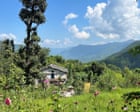
It takes a village – the pioneering tourism project breathing new life into India’s mountain communities
#tourism #India #mountain communities #sustainability #community involvement #economic revitalization #cultural preservation
📌 Key Takeaways
- A pioneering tourism project in India's mountain communities aims to revitalize local economies and preserve cultural heritage.
- The initiative emphasizes community involvement, ensuring that tourism benefits are shared among residents.
- It focuses on sustainable practices to protect the environment while promoting responsible travel.
- The project serves as a model for integrating tourism with social and economic development in remote areas.
📖 Full Retelling
🏷️ Themes
Sustainable Tourism, Community Development
📚 Related People & Topics

India
Country in South Asia
India, officially the Republic of India, is a country in South Asia. It is the seventh-largest country by area; the most populous country since 2023; and, since its independence in 1947, the world's most populous democracy. Bounded by the Indian Ocean on the south, the Arabian Sea on the southwest,...
Entity Intersection Graph
Connections for India:
Mentioned Entities
Deep Analysis
Why It Matters
This news matters because it showcases a sustainable development model that addresses rural depopulation and economic decline in India's Himalayan regions. It directly affects mountain communities by creating livelihood opportunities while preserving cultural heritage and environmental sustainability. The project serves as a replicable blueprint for other developing regions facing similar challenges of youth migration and economic stagnation. This approach to tourism could influence national policies on rural development and conservation efforts across India's vulnerable mountain ecosystems.
Context & Background
- India's Himalayan regions have experienced significant youth migration to urban centers, leaving aging populations and declining traditional economies
- Conventional mass tourism in mountain areas like Uttarakhand and Himachal Pradesh has often led to environmental degradation and cultural commodification
- The Indian government has launched initiatives like the National Mission on Sustainable Habitat and Rural Tourism Scheme to address these challenges
- Previous community-based tourism projects in places like Sikkim and Ladakh have demonstrated mixed results, with some succeeding while others struggled with market access
What Happens Next
The project will likely expand to additional villages in the region within 6-12 months, with potential replication in other Himalayan states. Government tourism departments may incorporate this model into official rural development policies by next fiscal year. International organizations like UNDP or UNESCO could provide funding or recognition within the coming months. The community may establish a formal cooperative structure to manage tourism revenues and ensure equitable distribution.
Frequently Asked Questions
This model prioritizes community ownership and decision-making rather than external corporate control. It focuses on low-impact, culturally immersive experiences that preserve local traditions and environments, unlike mass tourism that often overwhelms infrastructure and ecosystems.
Villagers gain direct income through homestays, guided tours, traditional craft sales, and local food services. The revenue stays within the community rather than leaking to external operators, creating sustainable livelihoods that reduce dependence on seasonal agriculture or migration for work.
It implements strict visitor caps, waste management systems, and promotes low-carbon transportation options. The model discourages large-scale infrastructure development that damages sensitive mountain environments, instead utilizing existing village structures and traditional building methods.
Yes, with adaptation to local contexts, this community-owned tourism approach could work in other rural areas facing similar challenges. Key success factors include strong local leadership, appropriate training, market access support, and balanced visitor management to prevent overtourism.
Potential challenges include maintaining community cohesion as economic benefits grow, managing increased visitor demand without compromising sustainability, and securing continued funding for infrastructure maintenance. Climate change impacts on mountain ecosystems could also affect tourism viability long-term.