
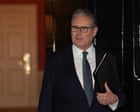
Keir Starmer says he is ‘not prepared to walk away’ after call for resignation
#Keir Starmer #Anas Sarwar #Labour Party #Peter Mandelson #Downing Street #Resignation call #British Government
📌 Key Takeaways
- Prime Minister Keir Starmer has officially refused to resign despite intense internal pressure.
- Scottish Labour leader Anas Sarwar sparked the crisis by publicly calling for Starmer to step down.
- The controversy is heavily tied to a political row involving Lord Peter Mandelson.
- Downing Street successfully executed a containment strategy to prevent a wider leadership challenge.
📖 Full Retelling
British Prime Minister Keir Starmer defiantly rejected calls for his resignation in London on February 9, 2026, following a direct challenge to his authority by Scottish Labour leader Anas Sarwar. The internal party crisis reached a boiling point after Sarwar publicly urged the Prime Minister to step down amid an escalating controversy involving Peter Mandelson and growing dissatisfaction within the Labour ranks. Despite a day of extreme political tension characterized by high-stakes negotiations and internal maneuvering, Starmer explicitly stated he was not prepared to walk away from his position, signaling a determination to fight for his premiership.
The turmoil centered on a deepening rift regarding the influence and role of Lord Peter Mandelson, a veteran figure whose presence has become a flashpoint for internal dissent. Anas Sarwar's decision to break ranks and call for a leadership change marked a significant escalation, as it represented a rare public fracture between the UK-wide leadership and the party's Scottish wing. This move forced Downing Street into a defensive posture, as officials worked frantically throughout the day to secure support from other senior cabinet members and backbenchers to prevent a wider collapse of confidence.
Political analysts suggest that while Starmer has survived this immediate threat, the underlying issues regarding his leadership style and the strategic direction of the party remains unresolved. The Downing Street machine was credited with managing the immediate fallout by neutralizing potential rebels and ensuring the Prime Minister maintained enough institutional support to weather the storm. However, the open rebellion by a major party figure like Sarwar indicates a fragile equilibrium that could be tested again if the administration fails to address the concerns voiced by the Scottish Labour leadership and other critics within the movement.
🏷️ Themes
Politics, Leadership, Internal Conflict
Entity Intersection Graph
No entity connections available yet for this article.