
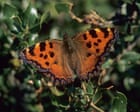
Large tortoiseshell butterfly confirmed no longer extinct in UK
#large tortoiseshell butterfly #extinct #UK #breeding #conservation #climate change #habitat restoration
📌 Key Takeaways
- Large tortoiseshell butterfly, previously considered extinct in the UK, has been officially confirmed as no longer extinct.
- The species has been observed breeding in the wild, indicating a sustainable population recovery.
- Conservation efforts and climate change are cited as potential factors enabling its return.
- This rediscovery highlights the importance of habitat restoration and ongoing wildlife monitoring.
📖 Full Retelling
🏷️ Themes
Wildlife Conservation, Species Recovery
📚 Related People & Topics

United Kingdom
Country in northwestern Europe
The United Kingdom of Great Britain and Northern Ireland, commonly known as the United Kingdom (UK) or Britain, is a country in northwestern Europe, off the coast of the continental mainland. It comprises England, Scotland, Wales and Northern Ireland, with a population of over 69 million in 2024. Th...
Entity Intersection Graph
Connections for United Kingdom:
View full profileMentioned Entities
Deep Analysis
Why It Matters
This news matters because it represents a rare conservation success story and demonstrates that species recovery is possible with proper habitat management and protection. It affects conservationists, ecologists, and environmental policymakers who work on species preservation efforts. The butterfly's return also indicates improving environmental conditions in certain UK habitats, which benefits biodiversity and ecosystem health. For the general public, it offers hope and inspiration for other conservation projects while highlighting the importance of protecting native species.
Context & Background
- The large tortoiseshell butterfly (Nymphalis polychloros) was declared extinct in the UK in the 1950s after decades of population decline.
- Primary causes of extinction included habitat loss, pesticide use, and the decline of its larval food plants, particularly elm trees which were devastated by Dutch elm disease.
- The species continued to exist in mainland Europe, with populations in countries like France, Spain, and parts of Central Europe.
- There have been occasional unconfirmed sightings in the UK over recent decades, but these were considered migrants rather than evidence of breeding populations.
- Butterfly conservation has become increasingly important in the UK, with organizations like Butterfly Conservation working to protect and restore habitats for native species.
What Happens Next
Conservation organizations will likely establish monitoring programs to track the butterfly's population growth and distribution. Habitat restoration efforts may be intensified in areas where the butterfly has been confirmed, with particular focus on planting its preferred food plants. Researchers will study the genetics of the UK population to determine whether it originated from natural recolonization or accidental introduction. The UK government may consider adding the species to protected species lists, which would trigger additional conservation measures and legal protections.
Frequently Asked Questions
The confirmation came through verified sightings of breeding populations and evidence of multiple life stages (eggs, caterpillars, and adults) in specific locations. Conservation organizations used systematic monitoring and photographic evidence to document established populations rather than just occasional migrant individuals.
This represents a positive development for UK biodiversity, indicating that some habitats may be recovering enough to support species that previously disappeared. It suggests that conservation efforts are having measurable effects and provides an opportunity to study natural recolonization processes in action.
While specific locations are often protected to prevent disturbance, confirmed sightings have been reported in southern England, particularly in coastal areas and regions with suitable habitat. Conservation organizations typically disclose general regions rather than exact locations to protect the vulnerable populations.
The butterfly still faces threats from habitat fragmentation, climate change, pesticide use, and potential disease outbreaks affecting its food plants. Its population remains vulnerable due to its recent return and limited distribution, requiring ongoing conservation management to ensure long-term survival.
The public can help by participating in butterfly monitoring schemes, creating butterfly-friendly gardens with native plants, supporting conservation organizations, and advocating for habitat protection policies. Reporting sightings through official channels also helps researchers track the species' distribution and population trends.