
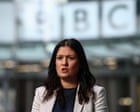
Lisa Nandy vows to give BBC permanent charter to prevent political interference
#Lisa Nandy #BBC #permanent charter #political interference #media independence #funding #editorial freedom #government
📌 Key Takeaways
- Lisa Nandy pledges to grant the BBC a permanent charter to secure its independence.
- The move aims to shield the BBC from political interference and funding pressures.
- This would replace the current system of periodic charter renewals by the government.
- The proposal seeks to ensure the BBC's long-term stability and editorial freedom.
📖 Full Retelling
🏷️ Themes
Media Policy, Political Independence
📚 Related People & Topics

Lisa Nandy
British politician (born 1979)
Lisa Eva Nandy (born 9 August 1979) is a British Labour Party politician serving as Secretary of State for Culture, Media and Sport since 2024. She has served as the Member of Parliament (MP) for the Wigan constituency since 2010.
BBC
British public service broadcaster
# British Broadcasting Corporation (BBC) The **British Broadcasting Corporation (BBC)** is the national broadcaster of the United Kingdom. Headquartered at **Broadcasting House** in London, it holds the distinction of being the world's oldest national broadcasting organization and the largest broad...
Entity Intersection Graph
No entity connections available yet for this article.
Mentioned Entities
Deep Analysis
Why It Matters
This proposal matters because it would fundamentally change the BBC's relationship with the UK government by removing the periodic renewal process that has historically been used as leverage. It affects the BBC's independence, political parties who have used charter renewal as a bargaining chip, and the British public who rely on the BBC for news and entertainment. A permanent charter could shield the broadcaster from political pressure during election cycles and government transitions, potentially strengthening its editorial independence.
Context & Background
- The BBC operates under a Royal Charter that must be renewed approximately every 10-15 years, with the current charter set to expire in 2027
- Previous charter renewals have been contentious, with governments from both major parties using the process to push for changes in funding, governance, or programming
- The BBC receives most of its funding from the television license fee, which is set by the government and has been frozen since 2022 amid inflation concerns
- Political interference accusations have surfaced multiple times, including during the 2016 charter renewal when the government pushed for greater transparency about top earners' salaries
What Happens Next
The proposal will likely become part of Labour's media policy platform ahead of the next general election. If Labour wins, they would need to draft legislation to amend the BBC's governance structure, which would require parliamentary approval. The current charter expires in 2027, so any changes would need to be implemented before then. There will likely be consultations with media regulators, opposition parties, and the BBC itself about the practical implications of a permanent charter.
Frequently Asked Questions
The Royal Charter is the constitutional basis for the BBC, establishing its public purposes, governance structure, and funding arrangements. It's granted by the monarch on advice from the government and must be periodically renewed, giving politicians significant influence over the broadcaster's future.
Governments use charter renewal as leverage to influence BBC policies, funding models, and sometimes editorial direction. The renewal process allows politicians to demand changes in exchange for continued existence, making the BBC potentially vulnerable to political pressure.
Opponents argue that periodic review ensures the BBC remains accountable and adapts to changing media landscapes. Some worry that permanent status could reduce incentives for innovation and make the broadcaster less responsive to public needs without the threat of non-renewal.
While the charter governs the BBC's existence, funding is separate and determined through government negotiations. A permanent charter wouldn't automatically guarantee funding stability, but it could strengthen the BBC's position in funding discussions by removing the existential threat.
Several countries have established public broadcasters with more permanent statutory foundations, though specific models vary. For example, Germany's ARD and ZDF have more stable legal foundations that require supermajorities in parliament to change significantly.