

London, San Francisco and Beijing achieve ‘remarkable reductions’ in air pollution
#air pollution #London #San Francisco #Beijing #reduction #environment #urban #quality
📌 Key Takeaways
- London, San Francisco, and Beijing have significantly reduced air pollution levels.
- The reductions are described as 'remarkable' in the report.
- These cities serve as examples of successful air quality improvement.
- The achievement highlights progress in urban environmental management.
📖 Full Retelling
🏷️ Themes
Air Pollution, Urban Environment
📚 Related People & Topics

San Francisco
City and county in California, US
# San Francisco **San Francisco**, officially the **City and County of San Francisco**, serves as the commercial, financial, and cultural epicenter of Northern California. ### Demographics and Population As of 2024, the city has an estimated population of **827,526 residents**. Within the state o...

Beijing
Capital city of China
# Beijing **Beijing**, historically romanized as **Peking**, is the capital of the People's Republic of China. It is the world's most populous national capital city, home to more than 22 million residents. Located in Northern China, Beijing is governed as a municipality under the direct administrat...
London
Capital of England and the United Kingdom
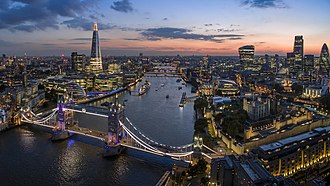
London is the capital and largest city of both England and the United Kingdom, with a population of 9.1 million people in 2024. Its wider metropolitan area is the largest in Western Europe, with a population of 15.1 million. London stands on the River Thames in southeast England, at the head of a 50...
Entity Intersection Graph
Connections for San Francisco:
View full profileMentioned Entities
Deep Analysis
Why It Matters
This news matters because air pollution reduction directly impacts public health, reducing respiratory illnesses and premature deaths in major urban centers. It demonstrates that coordinated policy interventions can produce measurable environmental improvements even in historically polluted cities. The success affects millions of residents who breathe cleaner air daily, while providing models for other cities struggling with pollution challenges.
Context & Background
- London historically suffered from severe smog events, most notably the 'Great Smog' of 1952 that killed thousands and led to the Clean Air Act of 1956
- Beijing has faced extreme air pollution for decades, with PM2.5 levels frequently exceeding WHO guidelines by 10-20 times during peak pollution periods
- San Francisco and California have implemented aggressive clean air policies since the 1960s, though transportation emissions remain persistent challenges
- The WHO estimates air pollution causes approximately 7 million premature deaths globally each year
- Many global cities have struggled to balance economic growth with air quality improvements despite decades of environmental awareness
What Happens Next
Other major cities will likely study these success stories to implement similar pollution reduction strategies. Expect increased pressure on lagging cities to demonstrate progress ahead of international climate conferences. Monitoring will continue to verify whether reductions are sustained during economic recovery periods. New WHO air quality guidelines may incorporate lessons from these urban success cases.
Frequently Asked Questions
London implemented its Ultra Low Emission Zone charging polluting vehicles, Beijing shifted from coal to natural gas heating and restricted industrial emissions, while San Francisco expanded electric vehicle infrastructure and tightened port emissions standards. Each city combined transportation, energy, and industrial policies.
The reductions brought these cities closer to WHO air quality guidelines, though some still exceed recommended levels. Beijing's improvement is particularly notable given its extreme starting point, while London and San Francisco demonstrate sustained progress in already-regulated environments.
Yes, but with adaptations for local contexts and resources. Beijing's experience shows pollution reduction is possible during rapid development, though it required substantial government investment and enforcement capacity that may challenge smaller municipalities.
Transportation emissions remain significant in all three, particularly from freight and older vehicles. Construction dust and regional pollution transport also persist as challenges, requiring continued monitoring and policy refinement.
Through networks of ground monitoring stations, satellite data, and independent verification by research institutions. Long-term trend analysis helps distinguish permanent improvements from temporary reductions due to weather or economic fluctuations.