
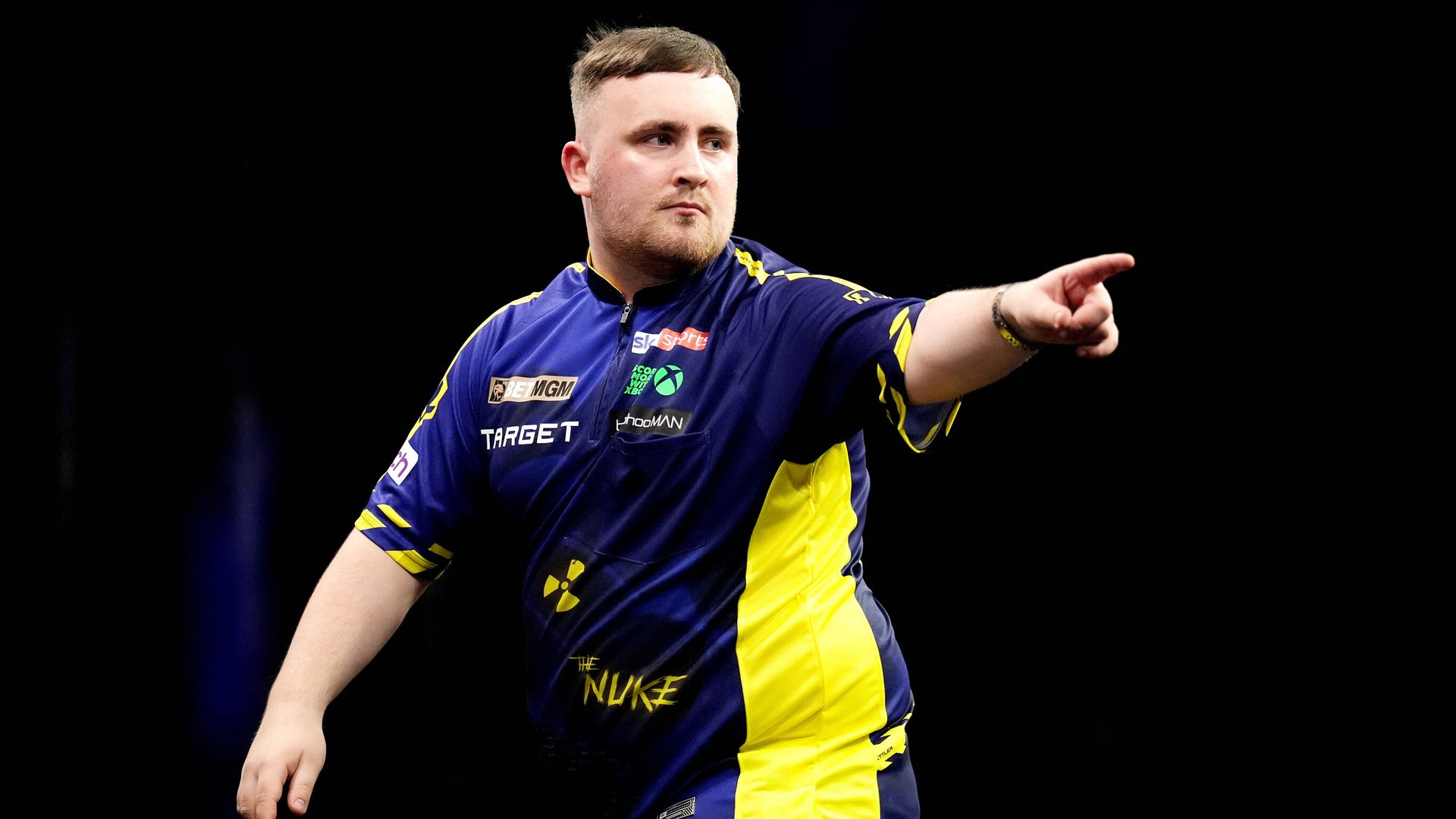
Luke Littler moves to trademark his face
#Luke Littler #trademark #face #image rights #UK Intellectual Property Office #celebrity #commercial use
📌 Key Takeaways
- Luke Littler has applied to trademark his own face.
- The application was filed with the UK Intellectual Property Office.
- This move aims to protect his image from unauthorized commercial use.
- It reflects a growing trend among celebrities to secure intellectual property rights.
🏷️ Themes
Celebrity Rights, Intellectual Property
📚 Related People & Topics
Intellectual Property Office (United Kingdom)
Patent Office of the United Kingdom
The Intellectual Property Office of the United Kingdom (often referred to as the UK IPO) is, since 2 April 2007, the operating name of The Patent Office. It is the official government body responsible for intellectual property rights in the UK and is an executive agency of the Department for Science...

Luke Littler
English darts player (born 2007)
Luke Littler (born 21 January 2007) is an English professional darts player who competes in Professional Darts Corporation (PDC) events, where he is ranked world No. 1. Nicknamed "the Nuke", Littler has won two PDC World Championships, in 2025 and 2026, and remains the youngest world champion in dar...
Entity Intersection Graph
No entity connections available yet for this article.
Mentioned Entities
Deep Analysis
Why It Matters
This news matters because it represents a significant shift in how young athletes are approaching personal branding and intellectual property protection. At just 17 years old, Luke Littler's decision to trademark his face demonstrates growing awareness among young sports stars about monetizing their image rights early in their careers. This affects sports marketing professionals, intellectual property lawyers, and other athletes who may follow similar strategies to protect their commercial value. The move also highlights the increasing intersection of sports, celebrity culture, and legal protection in the digital age.
Context & Background
- Luke Littler is a 17-year-old darts prodigy who gained international attention after reaching the PDC World Darts Championship final in January 2024
- Trademarking personal features like faces has become more common among celebrities, with examples including Kylie Jenner's lips and David Beckham's body
- Young athletes increasingly face pressure to protect their brand value early as social media amplifies their public profiles and commercial opportunities
What Happens Next
Legal professionals will likely file the trademark application with the UK Intellectual Property Office in the coming weeks. Other young athletes may follow suit with similar trademark applications for distinctive features. Sports marketing companies will need to adjust contracts and licensing agreements to account for these new protected elements. The darts community and sports media will monitor whether this creates new sponsorship opportunities or legal precedents for athlete image rights.
Frequently Asked Questions
Trademarking a face allows the individual to control commercial use of their likeness, preventing unauthorized products or advertisements from featuring their image without permission. This creates legal protection and potential revenue streams through licensing agreements.
To trademark a face, the individual must demonstrate that their features have acquired distinctiveness and are associated with their commercial brand. The application must show the face is used or intended to be used in connection with specific goods or services.
This move positions Littler to better control and monetize his growing celebrity status as he continues his darts career. It provides legal protection against unauthorized commercial use of his image while potentially increasing his value to sponsors who want exclusive rights.
Companies producing Littler merchandise or using his image in advertising will need proper licensing agreements. Sponsors may pay premium rates for access to his now-protected likeness, while unauthorized use could lead to legal action.
Potential risks include public perception issues if seen as overly commercial, trademark maintenance costs, and the challenge of proving distinctiveness if the feature is common. There may also be limitations on how broadly the trademark can be enforced.