
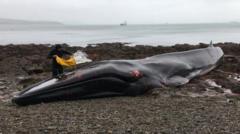
More whales are stranding. Now more people are needed to help them
#whales #strandings #rescue #volunteers #marine life #conservation #emergency response
📌 Key Takeaways
- Whale strandings are increasing in frequency, requiring more human intervention.
- There is a growing need for trained volunteers to assist in rescue efforts.
- The article highlights the urgency of expanding rescue teams to respond effectively.
- Increased public awareness and involvement are crucial for saving stranded whales.
🏷️ Themes
Marine Conservation, Wildlife Rescue
Entity Intersection Graph
No entity connections available yet for this article.
Deep Analysis
Why It Matters
This news matters because increasing whale strandings indicate potential ecosystem disruptions that could signal broader environmental problems affecting marine life and coastal communities. It affects marine biologists, conservation organizations, coastal residents, and government agencies responsible for wildlife management. The need for more human responders highlights growing pressure on volunteer networks and emergency response systems, while also creating opportunities for community engagement in conservation efforts.
Context & Background
- Whale strandings have been documented for centuries, with historical records dating back to ancient civilizations observing beached marine mammals.
- Climate change and human activities like shipping noise, fishing gear entanglement, and pollution are known contributors to increased marine mammal disorientation and strandings.
- Many countries have established formal stranding response networks, with organizations like NOAA in the US and BDMLR in the UK coordinating volunteer responders and scientific data collection.
- Different whale species have varying stranding patterns - some like pilot whales mass strand frequently due to social bonding, while solitary strandings often indicate illness or injury.
- Successful rescue efforts require specialized training, equipment, and coordination to prevent injury to both whales and human responders during refloating attempts.
What Happens Next
Coastal communities will likely see increased recruitment drives for trained stranding responders and expanded volunteer training programs throughout 2024-2025. Marine research institutions will probably intensify studies on stranding causes, with new findings expected within 6-12 months. Government agencies may allocate additional funding for stranding response networks in upcoming budget cycles, particularly before peak stranding seasons.
Frequently Asked Questions
Multiple factors contribute including climate change altering migration patterns, increased ocean noise from shipping disrupting navigation, harmful algal blooms affecting whale health, and expanding human activities in marine environments. Researchers continue investigating specific causes through necropsies and environmental monitoring.
Trained responders assess the whale's condition, provide supportive care like keeping the skin moist, and wait for optimal tide conditions. For refloating, they use specialized equipment like pontoons and mats, then monitor the whale post-rescue to ensure it doesn't re-strand. Each operation follows strict protocols to maximize survival while ensuring human safety.
Not all stranded whales can be saved - survival depends on species, stranding duration, physical condition, and environmental factors. Euthanasia may be necessary when animals are too injured or ill, conducted humanely by veterinarians. Even when rescue succeeds, long-term survival rates vary by species and circumstance.
People can join authorized stranding networks through training programs offered by organizations like NOAA or local marine mammal centers. Untrained individuals should never approach stranded whales but can assist by reporting strandings immediately to official hotlines and keeping crowds away from rescue operations.
Strandings provide rare opportunities to study whale anatomy, health, and causes of death through necropsies. Scientists gather data on diseases, contaminants, genetics, and feeding ecology that's difficult to obtain from living whales. This information helps inform conservation policies and understand ocean ecosystem health.