
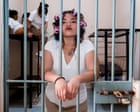
Motherhood, makeup and Zumba: the rehabilitation of one of Mexico’s most dangerous prisons
#Mexico #prison #rehabilitation #motherhood #Zumba #makeup #female inmates #recidivism
📌 Key Takeaways
- The article highlights a unique rehabilitation program at a high-security Mexican prison.
- Programs focus on motherhood, makeup artistry, and Zumba fitness classes for female inmates.
- These initiatives aim to reduce violence and recidivism by providing skills and emotional support.
- The approach represents a shift from punitive measures to reintegration-focused corrections in Mexico.
📖 Full Retelling
🏷️ Themes
Prison Reform, Rehabilitation
📚 Related People & Topics
Mexico
Country in North America
Mexico, officially the United Mexican States, is a country in North America. It is the northernmost country in Latin America and borders the United States to the north, and Guatemala and Belize to the southeast; while having maritime boundaries with the Pacific Ocean to the west, the Caribbean Sea t...

Zumba
Dance fitness workout method
Zumba is an aerobic fitness workout method created in Cali, Colombia that combines cardio and Latin-inspired dance. It was founded by Colombian dancer and choreographer Beto Pérez in 2001. It currently has 200,000 locations, with 15 million people taking classes weekly, and is located in 180 countr...
Entity Intersection Graph
Connections for Mexico:
Mentioned Entities
Deep Analysis
Why It Matters
This news matters because it highlights a transformative approach to prison rehabilitation in a country with severe incarceration challenges, potentially reducing recidivism and improving inmate welfare. It affects incarcerated women who gain skills and emotional support, prison staff who work in safer environments, and Mexican society which benefits from lower crime rates if rehabilitation succeeds. The program's success could influence prison reform policies across Latin America where overcrowding and violence are common.
Context & Background
- Mexico's prison system has long struggled with overcrowding, violence, and corruption, with some facilities effectively controlled by criminal gangs.
- Female incarceration rates in Mexico have risen significantly in recent decades, often for non-violent drug-related offenses linked to poverty or coercion.
- Traditional Latin American prisons focus on punishment rather than rehabilitation, leading to high recidivism rates and perpetuating cycles of crime.
- International human rights organizations have repeatedly criticized Mexican prisons for inadequate healthcare, sanitation, and protection from abuse.
- Previous rehabilitation attempts in Mexico have included vocational training programs, but holistic approaches combining psychological support with practical skills are rare.
What Happens Next
Prison authorities will likely monitor recidivism rates among participating inmates over the next 2-3 years to assess program effectiveness. Successful outcomes may lead to expansion of similar programs to other Mexican prisons, particularly women's facilities. International organizations might provide funding or expertise to scale the model if initial results are positive. The Mexican government could incorporate elements into national prison reform legislation within the next parliamentary session.
Frequently Asked Questions
The program incorporates motherhood support groups for incarcerated women with children, makeup artistry classes as vocational training, and Zumba fitness sessions for physical and mental wellbeing. These elements address different aspects of rehabilitation including parenting skills, job readiness, and emotional health.
Women's prisons often receive less attention and resources despite unique challenges like separation from children. Female inmates frequently face different pathways to incarceration involving coercion or economic desperation, making gender-specific rehabilitation approaches more effective.
The facility was considered among Mexico's most dangerous due to gang control, frequent violence between inmate factions, corruption among guards, and inadequate basic services. Such conditions made rehabilitation nearly impossible before the intervention.
While the article doesn't specify, similar Mexican prison reforms typically involve collaboration between federal/state governments, non-governmental organizations, and sometimes international partners. Implementation usually involves trained social workers, psychologists, and vocational instructors working with prison staff.
The holistic approach could be adapted, though activities would need modification for gender relevance. The core principles—addressing psychological needs, providing marketable skills, and promoting physical health—are transferable to various correctional settings internationally where resources permit.