
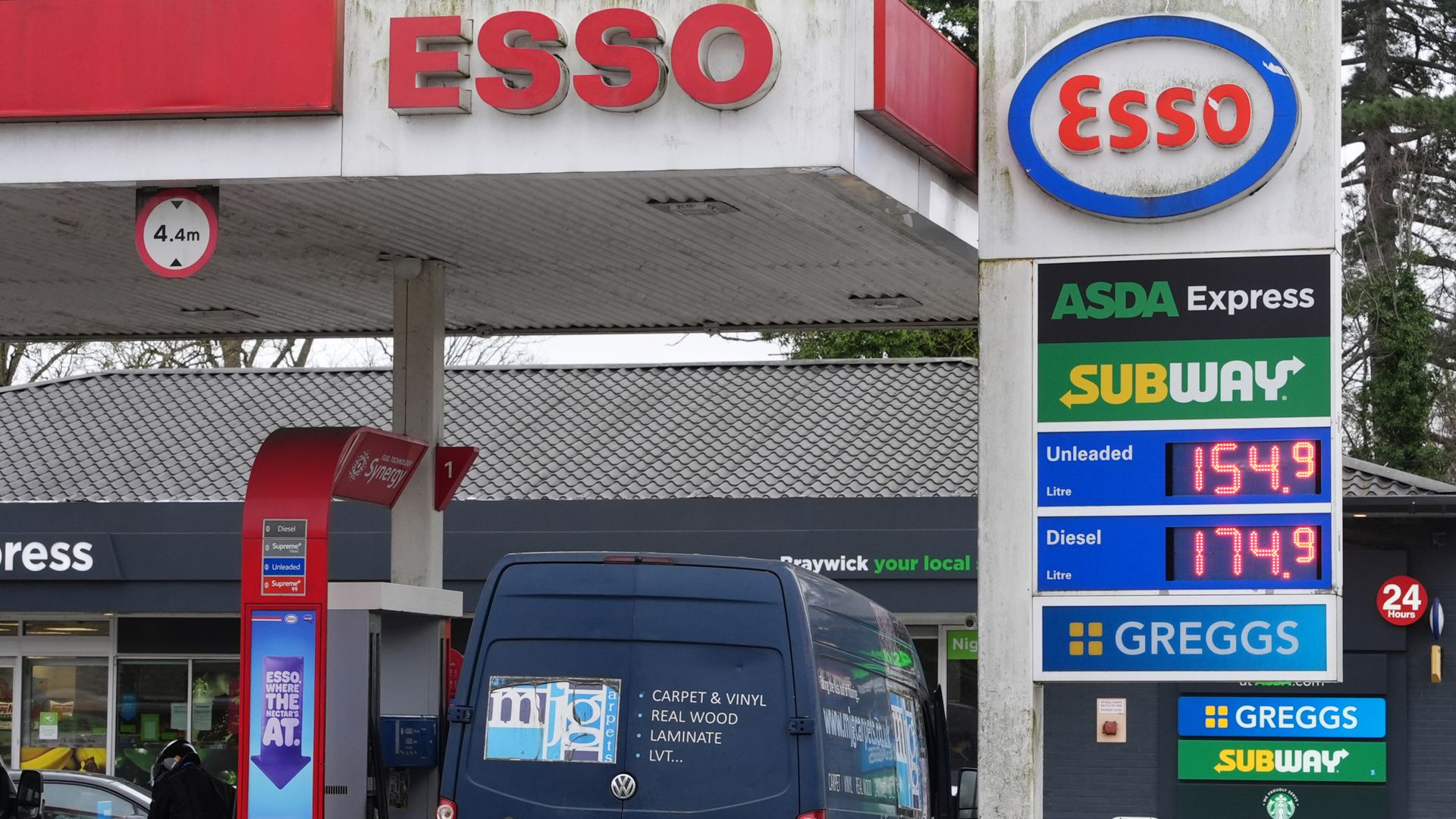
Motorists should 'fill up as normal' despite fuel prices soaring, minister says
📖 Full Retelling
Entity Intersection Graph
No entity connections available yet for this article.
Deep Analysis
Why It Matters
This news is important as it directly affects millions of UK motorists and businesses dependent on transportation, potentially impacting household budgets and inflation rates. The government's response to rising fuel prices sets a precedent for how it handles future energy crises. Consumer behavior during this period could either alleviate or exacerbate supply issues, making the minister's guidance crucial for market stability.
Context & Background
- The UK experienced severe fuel shortages in September 2021 when panic buying led to widespread disruption after government warnings about potential shortages
- Global energy markets have been volatile since the COVID-19 pandemic due to supply chain disruptions and fluctuating demand
- Geopolitical tensions, particularly the Russia-Ukraine conflict, have significantly impacted European energy markets and prices
- The UK has historically been vulnerable to energy price shocks due to its reliance on imported fuel and limited storage capacity
- Energy security has become an increasingly prominent issue as the UK transitions away from fossil fuels toward renewable energy sources
What Happens Next
Fuel prices may stabilize in the coming weeks according to industry analysts as markets adjust to new consumption patterns. The government may implement additional measures if prices continue to rise significantly, potentially including targeted support for vulnerable consumers or businesses. Consumer behavior will be closely monitored to prevent panic buying, which could create artificial shortages regardless of actual supply conditions.
Frequently Asked Questions
Fuel prices are rising due to global energy market volatility, geopolitical tensions, supply chain disruptions, and post-pandemic demand recovery all contributing to unprecedented price levels.
According to the government, there are no current shortages and supply chains remain stable, though they advise against panic buying which could create artificial shortages.
High fuel prices can contribute to inflation, increase transportation costs for businesses, and potentially impact consumer spending on other goods and services, affecting economic growth.
The government has previously implemented fuel price reduction strategies and provided reassurances during periods of price volatility, though specific measures vary depending on the circumstances.
Industry analysts suggest prices may stabilize in the coming weeks as markets adjust to new energy consumption patterns, though this depends on various global factors including geopolitical tensions and supply chain developments.