
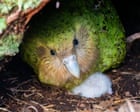
‘My lovely distraction’: Live stream of kākāpō – world’s fattest parrot – and her chicks captivates New Zealand
#kākāpō #parrot #live stream #New Zealand #endangered species #chicks #conservation #wildlife
📌 Key Takeaways
- A live stream of a kākāpō parrot and her chicks has captivated viewers in New Zealand.
- The kākāpō is known as the world's fattest parrot and is critically endangered.
- The stream provides a rare, intimate look at the bird's nesting behavior and chick-rearing.
- The initiative aims to raise awareness and support for conservation efforts for the species.
📖 Full Retelling
🏷️ Themes
Wildlife Conservation, Public Engagement
📚 Related People & Topics

New Zealand
Island country in the Pacific Ocean
New Zealand is an island country in the southwestern Pacific Ocean. It consists of two main landmasses—the North Island (Te Ika-a-Māui) and the South Island (Te Waipounamu)—and over 600 smaller islands. It is the sixth-largest island country by area and lies east of Australia across the Tasman Sea a...
Entity Intersection Graph
Connections for New Zealand:
Mentioned Entities
Deep Analysis
Why It Matters
This news matters because it highlights successful conservation efforts for one of the world's most critically endangered species, demonstrating how technology can engage the public in wildlife protection. It affects conservation biologists, environmental educators, and New Zealand's tourism sector by showcasing unique native species. The story also provides emotional uplift during challenging times, offering a positive distraction that connects people with nature while raising awareness about biodiversity preservation.
Context & Background
- The kākāpō is a flightless, nocturnal parrot endemic to New Zealand and is critically endangered with only about 250 individuals remaining
- Kākāpō were nearly driven to extinction by introduced predators like rats, stoats, and cats after human settlement of New Zealand
- The Kākāpō Recovery Programme began in 1995 and has implemented intensive management including predator-free island sanctuaries and assisted breeding
- Kākāpō are known for their unusual breeding biology - they only breed when certain forest trees like rimu produce abundant fruit, which occurs every 2-4 years
- Previous conservation milestones include the 2019 breeding season that produced 72 chicks, the most successful season in the program's history
What Happens Next
The live stream will continue through the chick-rearing period, with conservationists monitoring the chicks' development until they fledge. The Department of Conservation will likely release updates on the chicks' progress and survival rates. This successful breeding event may influence future conservation funding decisions and could lead to expanded public engagement initiatives for other endangered New Zealand species.
Frequently Asked Questions
Kākāpō face multiple threats including habitat loss, introduced predators like rats and stoats that easily prey on their ground nests, and low reproductive rates. Their specialized breeding cycle, dependent on specific forest mast years, makes population recovery particularly challenging without human intervention.
The live stream raises public awareness and engagement, potentially increasing support and funding for conservation programs. It also allows researchers to monitor the birds remotely while educating viewers about kākāpō behavior and the challenges of species recovery.
Kākāpō are the world's only flightless parrot and the heaviest parrot species. They're nocturnal, have a distinctive musky odor, and use a lek breeding system where males gather in specific areas to compete for females through booming calls and displays.
Due to their critically endangered status, kākāpō are only found on protected predator-free islands in New Zealand, primarily Whenua Hou/Codfish Island and Anchor Island. Public access is strictly limited to protect the birds, but some zoos and wildlife centers have educational displays about them.
The program has been remarkably successful, increasing the population from just 51 known birds in 1995 to about 250 today. Through intensive management including supplementary feeding, predator control, and artificial incubation, the program has prevented the species' extinction and achieved steady population growth.