
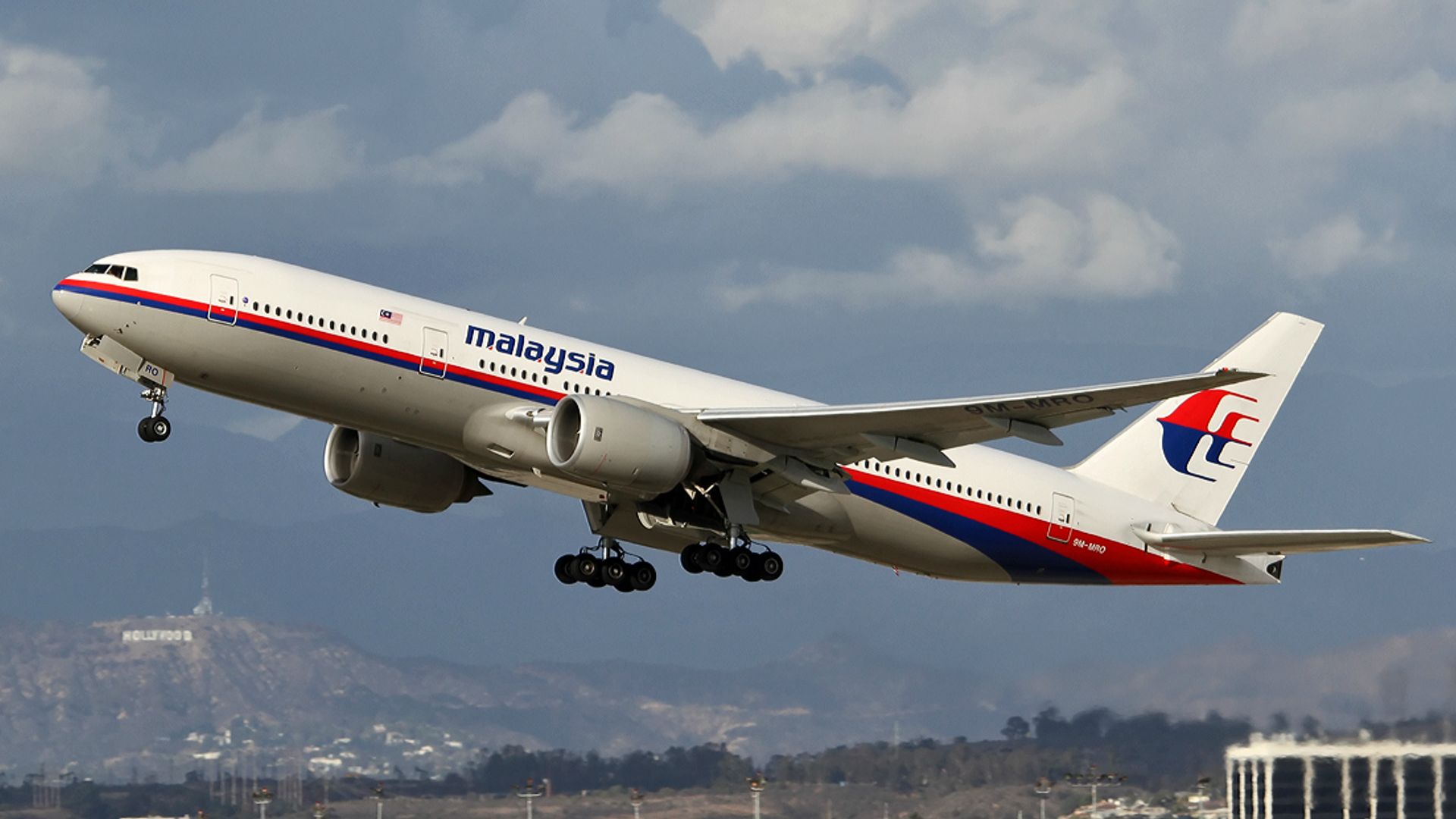
New search for Malaysia Airlines flight MH370 unsuccessful
#MH370 #Malaysia Airlines #search unsuccessful #missing flight #aviation mystery #investigation #aircraft disappearance
📌 Key Takeaways
- New search for Malaysia Airlines flight MH370 has ended without success.
- The search effort failed to locate the missing aircraft.
- MH370 remains missing after years of international investigations.
- The outcome prolongs uncertainty for families of the 239 people on board.
🏷️ Themes
Aviation Disappearance, Search Operations
📚 Related People & Topics

Malaysia Airlines
Flag carrier of Malaysia
Malaysia Airlines Berhad, operating as Malaysia Airlines (Malay: Penerbangan Malaysia), is the flag carrier of Malaysia, headquartered at Kuala Lumpur International Airport. The airline flies to destinations across Europe, Oceania and Asia from its main hub at Kuala Lumpur International Airport. It ...
Entity Intersection Graph
No entity connections available yet for this article.
Mentioned Entities
Deep Analysis
Why It Matters
This news matters because it represents another setback in one of aviation's greatest mysteries, affecting the families of the 239 passengers and crew who have been waiting for closure for over a decade. The unsuccessful search prolongs the emotional distress for relatives who continue to seek answers about what happened to their loved ones. It also highlights the limitations of modern search technology in locating wreckage in vast, deep ocean areas, which has implications for future aviation safety investigations. The ongoing mystery continues to impact Malaysia Airlines' reputation and raises questions about aviation tracking systems that were inadequate at the time of the disappearance.
Context & Background
- Malaysia Airlines Flight MH370 disappeared on March 8, 2014, while flying from Kuala Lumpur to Beijing with 239 people aboard
- The initial search covered 120,000 square kilometers in the southern Indian Ocean and became the most expensive aviation search in history
- Previous searches have recovered only a few confirmed pieces of debris that washed ashore in various Indian Ocean locations years after the disappearance
- The aircraft's disappearance led to major changes in aviation tracking requirements, including the mandate for 15-minute position reporting over oceans
- Multiple theories about the disappearance have been proposed, including pilot suicide, mechanical failure, and hijacking, but none have been conclusively proven
What Happens Next
Search teams will likely analyze data from the latest unsuccessful effort to determine if any areas warrant further investigation. Aviation authorities may consider new search proposals from private companies offering different technologies or methodologies. Families of victims are expected to continue advocating for renewed search efforts, potentially putting pressure on governments to fund additional attempts. The tenth anniversary in March 2024 may bring renewed media attention and calls for continued investigation into the disappearance.
Frequently Asked Questions
The search area in the southern Indian Ocean is vast, remote, and features extremely deep underwater terrain that makes sonar detection challenging. Ocean currents have likely scattered debris over thousands of miles, and the aircraft's final location remains uncertain despite years of drift modeling and satellite data analysis.
While specific details aren't provided in this brief article, recent MH370 searches typically employ advanced side-scan sonar, autonomous underwater vehicles, and deep-tow systems capable of mapping the ocean floor at extreme depths. These technologies must cover massive search areas with precision despite challenging underwater conditions.
Many family members have expressed frustration and disappointment with unsuccessful searches while maintaining hope for eventual answers. Some have formed advocacy groups to pressure governments and aviation authorities to continue search efforts, while others have pursued legal action against Malaysia Airlines and aviation authorities.
Without specific details in the article, we can note that recent searches have focused on areas re-analyzed using updated drift modeling and satellite data interpretation. New search attempts often incorporate lessons from previous failures and may target areas previously considered lower probability or technically challenging to survey.
While no official plans are confirmed, search companies and researchers continue to propose new approaches using evolving technology. Future attempts may depend on funding availability, new evidence analysis, or pressure from victim families and the international aviation community to solve this enduring mystery.