
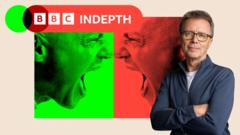
Nicky Campbell: How I've learned that certainty is the thing to really fear
#Nicky Campbell #certainty #fear #open-mindedness #beliefs #personal reflection #uncertainty
📌 Key Takeaways
- Nicky Campbell discusses the dangers of absolute certainty in beliefs and opinions.
- He reflects on personal experiences that challenged his own previously held certainties.
- The article emphasizes the importance of open-mindedness and questioning one's convictions.
- Campbell suggests that fear of uncertainty can be more productive than rigid certainty.
📖 Full Retelling
🏷️ Themes
Personal Growth, Philosophical Reflection
📚 Related People & Topics

Nicky Campbell
British television and radio personality (born 1961)
Nicholas Andrew Argyll Campbell OBE (born Nicholas Lackey; 10 April 1961) is a Scottish broadcaster and journalist. He has worked in television and radio since 1981 and as a network presenter with BBC Radio since 1987.
Entity Intersection Graph
No entity connections available yet for this article.
Mentioned Entities
Deep Analysis
Why It Matters
This personal reflection by prominent BBC broadcaster Nicky Campbell addresses the psychological and societal dangers of rigid certainty, which is particularly relevant in today's polarized media and political landscape. It matters because it challenges the growing trend of absolutist thinking in public discourse, affecting media professionals, political commentators, and the general public who consume news. Campbell's perspective encourages critical thinking and intellectual humility, which are essential for healthy democratic debate and personal growth in an era of misinformation and echo chambers.
Context & Background
- Nicky Campbell is a veteran BBC Radio 5 Live and BBC One presenter known for programs like 'The Big Questions' and his long-running phone-in show
- The article reflects broader cultural concerns about polarization and 'cancel culture' in media and public discourse
- Campbell has previously spoken about his adoption and mental health, bringing personal experience to discussions of identity and certainty
- The theme connects to philosophical traditions questioning epistemological certainty from Socrates to modern thinkers
- BBC presenters often navigate complex issues of balance and impartiality in politically charged environments
What Happens Next
Campbell's perspective may influence his approach to future programming and interviews, potentially fostering more nuanced discussions on his shows. The article could spark further public conversation about intellectual humility in media. Other broadcasters may reflect on their own approaches to handling controversial topics with less certainty and more openness to diverse viewpoints.
Frequently Asked Questions
As a veteran BBC presenter with decades of experience facilitating difficult conversations on radio and television, Campbell has witnessed firsthand how rigid certainty can shut down productive dialogue. His personal experiences with adoption and mental health have also given him insight into the complexity of identity and truth.
This directly addresses the polarization and 'echo chamber' effects in contemporary discourse, where social media algorithms and partisan media often reinforce existing beliefs rather than challenge them. Campbell's warning about certainty speaks to the need for more nuanced, open-ended conversations in public life.
It encourages audiences to approach news and opinions with more skepticism toward absolute claims and greater appreciation for complexity. This mindset can help people navigate misinformation and develop more balanced perspectives on contentious issues.
We may see him approach interviews with more emphasis on exploring gray areas rather than seeking definitive answers. His phone-in shows might feature more deliberate questioning of callers' certainties and more space for contradictory viewpoints.
Yes, several public intellectuals and journalists have recently emphasized intellectual humility and epistemic uncertainty as antidotes to polarization. This aligns with growing concerns about misinformation and the psychological roots of political extremism.