
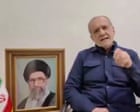
Offer from Iran’s president to not attack neighbours provokes internal backlash
#Iran #non-aggression pact #backlash #neighbors #president #regional security #diplomatic tensions
📌 Key Takeaways
- Iran's president offers non-aggression pact to neighboring countries.
- The proposal has sparked significant backlash within Iran.
- Internal critics argue the move undermines national security interests.
- The offer reflects ongoing regional diplomatic tensions.
📖 Full Retelling
🏷️ Themes
Diplomacy, Internal Politics
📚 Related People & Topics

Iran
Country in West Asia
# Iran **Iran**, officially the **Islamic Republic of Iran** and historically known as **Persia**, is a sovereign country situated in West Asia. It is a major regional power, ranking as the 17th-largest country in the world by both land area and population. Combining a rich historical legacy with a...
Entity Intersection Graph
Connections for Iran:
Mentioned Entities
Deep Analysis
Why It Matters
This news matters because it reveals significant internal divisions within Iran's leadership regarding foreign policy, particularly toward neighboring countries. It affects regional stability in the Middle East, as Iran's military posture directly impacts countries like Israel, Saudi Arabia, and Gulf states. The internal backlash could either constrain or empower hardline factions within Iran's government, potentially altering the country's approach to regional conflicts and nuclear negotiations.
Context & Background
- Iran has historically supported proxy groups like Hezbollah in Lebanon and Houthi rebels in Yemen, maintaining an assertive regional posture.
- The Iranian government operates with competing power centers including the elected presidency, the Supreme Leader's office, and the Islamic Revolutionary Guard Corps (IRGC).
- Tensions with neighbors have escalated in recent years due to incidents like attacks on oil tankers, drone strikes on Saudi facilities, and confrontations with Israel.
- Iran's 'neighborhood policy' has periodically shifted between confrontation and diplomacy depending on internal political dynamics and international pressure.
What Happens Next
Hardline factions within Iran's parliament and Revolutionary Guards will likely intensify criticism of the president, potentially forcing a policy reversal. Regional neighbors will monitor whether Iran reduces support for proxy groups or changes its military posture along borders. The Supreme Leader may need to intervene to resolve the internal dispute, which could happen within weeks during upcoming security council meetings.
Frequently Asked Questions
The president may be attempting diplomatic outreach to reduce regional tensions and potentially ease international sanctions. This could be part of broader efforts to improve Iran's economic situation through normalized relations with Gulf states.
Hardline factions including members of parliament aligned with the Revolutionary Guards and conservative clerics are likely leading the criticism. These groups typically advocate for maintaining Iran's assertive regional military and proxy network strategy.
Internal divisions could weaken Iran's negotiating position if hardliners gain influence, potentially leading to more rigid demands. Alternatively, if the president prevails, it might signal greater flexibility in broader international negotiations.
Israel and Saudi Arabia would be most directly affected given ongoing proxy conflicts. Gulf Cooperation Council states like UAE and Bahrain, which have recently engaged in diplomacy with Iran, would also be impacted.
Yes, Iranian officials have periodically proposed regional security arrangements and non-aggression pacts, particularly during periods of diplomatic engagement. However, these have rarely resulted in lasting agreements due to mutual distrust and competing interests.