
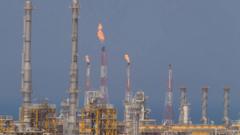
Oil nears $110 a barrel after gas field strike
#oil prices #gas field strike #supply disruption #energy markets #labor unrest
📌 Key Takeaways
- Oil prices approach $110 per barrel due to supply concerns
- A strike at a gas field disrupts production and market stability
- The incident highlights vulnerability of energy markets to labor disputes
- Potential for further price increases if the strike continues
📖 Full Retelling
🏷️ Themes
Energy Markets, Labor Disputes
Entity Intersection Graph
No entity connections available yet for this article.
Deep Analysis
Why It Matters
This sharp rise in oil prices affects global economies by increasing transportation and production costs, potentially fueling inflation worldwide. Consumers face higher prices for gasoline, heating, and goods that require petroleum-based inputs. Energy-dependent industries like airlines and manufacturing see profit margins squeezed, while oil-exporting nations benefit from increased revenue. The price surge also impacts geopolitical stability as nations adjust their energy policies and alliances.
Context & Background
- Global oil prices have been volatile since 2020 due to pandemic disruptions, OPEC+ production cuts, and post-pandemic demand recovery.
- The $110 per barrel level represents a psychological threshold not consistently seen since 2014, when prices collapsed from over $100.
- Natural gas and oil markets are interconnected as many industrial users can switch between fuels based on price and availability.
- Previous supply disruptions in key regions like the Middle East or Russia have historically caused similar price spikes with global economic consequences.
What Happens Next
Energy companies will likely increase production if prices remain elevated, though this takes time. OPEC+ may reconsider production quotas at their next meeting. Governments may release strategic petroleum reserves to ease prices. Continued high prices could lead to reduced consumer demand and potential economic slowdown in Q3-Q4 2024.
Frequently Asked Questions
Natural gas and oil are substitute energy sources in many applications, so disruptions in gas supply increase demand for oil. Additionally, some gas fields produce associated petroleum liquids, and market psychology links energy commodities together.
Prices typically moderate once supply is restored or alternative sources come online, but this depends on the strike's duration. If the disruption persists beyond 2-3 weeks, structural market adjustments may keep prices elevated longer.
Net oil-importing nations like Japan, India, and many European countries face increased trade deficits and inflation. Developing economies with fuel subsidies face particular budget pressures, while exporters like Saudi Arabia and Russia benefit.
While sustained high oil prices have historically preceded recessions, current economic conditions differ. Central banks may respond with monetary policy adjustments, and alternative energy sources provide more cushion than in past oil shocks.