
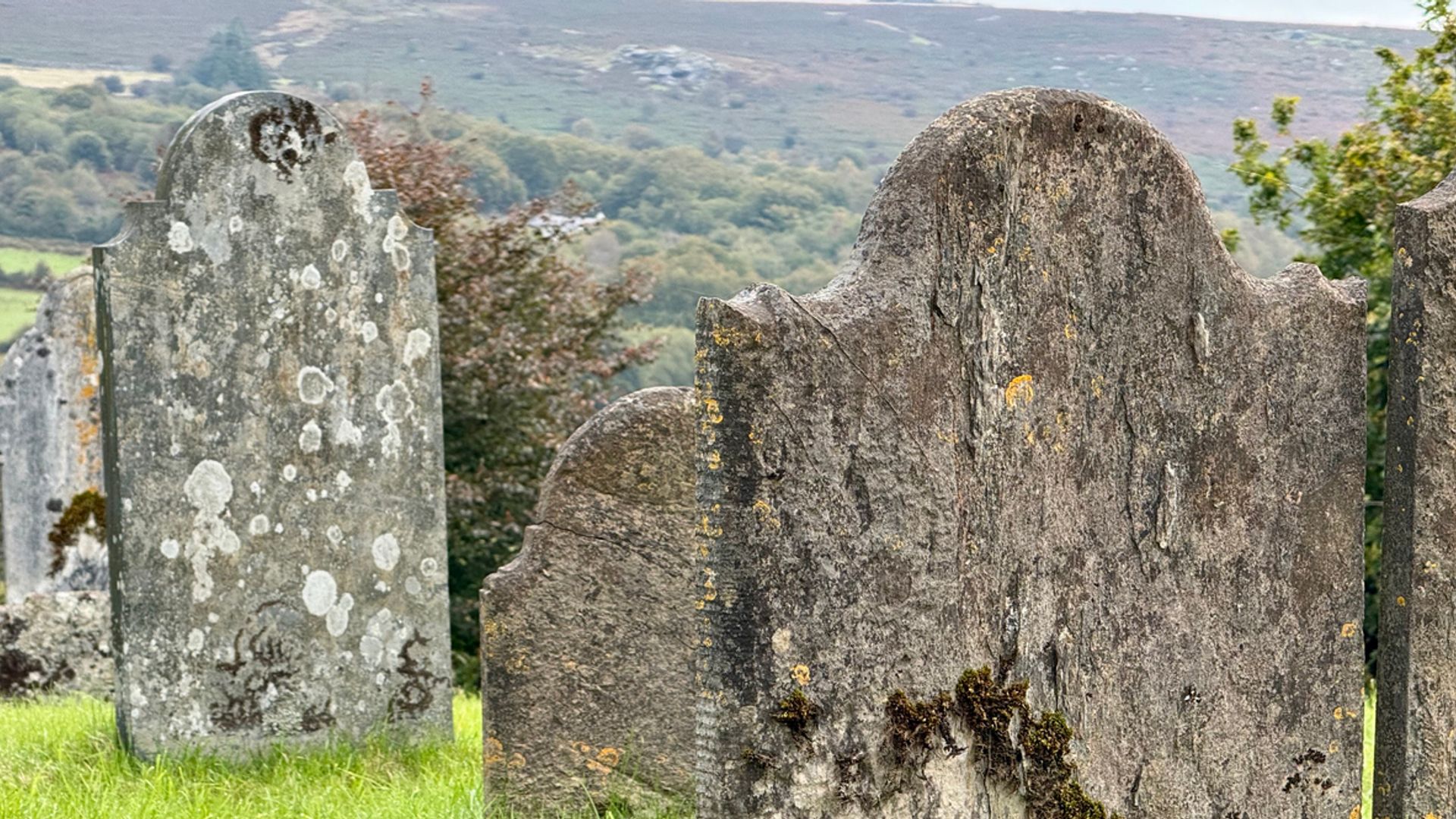
Old graves could be reused amid shortage of burial space
#burial space #grave reuse #cemetery overcrowding #public consultation #deathcare policy
📌 Key Takeaways
- Old graves may be reused to address burial space shortages.
- The proposal aims to alleviate overcrowding in cemeteries.
- Reusing graves involves legal and ethical considerations.
- Public consultation is likely needed before implementation.
📖 Full Retelling
🏷️ Themes
Urban Planning, Deathcare
Entity Intersection Graph
No entity connections available yet for this article.
Deep Analysis
Why It Matters
This news is important because it addresses a critical urban planning and cultural issue affecting communities worldwide, particularly in densely populated areas. It impacts families, religious groups, and local governments by challenging traditional burial practices and necessitating difficult conversations about land use and legacy. The potential reuse of graves could alleviate space shortages but may also provoke ethical, legal, and emotional concerns over respect for the deceased and cultural traditions.
Context & Background
- Many cities globally, especially in Europe and Asia, face burial space shortages due to urbanization, limited land, and rising populations, leading to policies like grave recycling or 'lift and deepen' methods.
- Historical practices like charnel houses or ossuaries have been used in some cultures to manage remains after a certain period, reflecting long-standing adaptations to space constraints.
- Legal frameworks for burial vary widely by region, with some places allowing grave reuse after a set time (e.g., 25-100 years) if remains are relocated or treated respectfully, while others prohibit it entirely.
What Happens Next
Local governments may propose or revise legislation to permit grave reuse, potentially leading to public consultations and debates in the coming months. If implemented, this could result in phased programs starting with older, unmaintained graves, with initial trials possibly within a year. Community responses, including potential legal challenges or cultural pushback, will shape the timeline and adoption of such policies.
Frequently Asked Questions
Grave reuse often involves exhuming remains after a specified period, such as decades, and relocating them to a communal ossuary or deeper burial to free up the plot for new interments. This process is usually regulated by laws requiring respectful handling and notification of families if possible. It aims to maximize limited cemetery space while honoring the deceased.
The shortage stems from factors like urbanization reducing available land, population growth increasing demand, and traditional burial practices consuming space permanently. In many areas, cemeteries are nearing capacity with little room for expansion due to high costs or zoning restrictions. This has prompted cities to explore alternatives like cremation or grave recycling.
Views vary widely: some cultures, like certain European ones, have historical acceptance of grave reuse after long periods, while others, such as many in North America or with strong religious ties, may see it as disrespectful or taboo. Religious beliefs, such as in Islam or Judaism, often emphasize permanent burial, making reuse controversial. This diversity necessitates sensitive, localized approaches to policy-making.
Yes, alternatives include promoting cremation, which uses less space, developing green burials without markers, or building multi-level mausoleums. Some communities also encourage memorial forests or sea burials to reduce land pressure. These options can help address space shortages while respecting cultural preferences, though they may not fully solve the issue in all areas.