
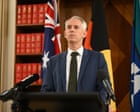
Pauline Hanson exploiting the frustrations of Australians who have been ‘left behind’, Labor says
#Pauline Hanson #Labor #left behind #frustrations #exploitation #Australian politics #populism #discontent
📌 Key Takeaways
- Labor accuses Pauline Hanson of exploiting frustrations of Australians feeling 'left behind'.
- The statement highlights political tactics targeting economic and social discontent.
- It reflects ongoing debates about representation and populism in Australian politics.
- The comment underscores tensions between major parties and fringe political figures.
📖 Full Retelling
🏷️ Themes
Politics, Populism
📚 Related People & Topics

Pauline Hanson
Australian politician (born 1954)
Pauline Lee Hanson (née Seccombe, formerly Zagorski; born 27 May 1954) is an Australian politician who is the founder and leader of One Nation, a right-wing populist political party. Hanson has represented Queensland in the Australian Senate since the 2016 federal election. Hanson ran a fish and chi...

Politics of Australia
In Australia, politics operates under the written Australian Constitution, which sets out Australia as a constitutional monarchy, governed via a parliamentary democracy in the Westminster tradition. Australia is also a federation, where power is divided between the federal government and the states....
Entity Intersection Graph
Connections for Labour:
Mentioned Entities
Deep Analysis
Why It Matters
This news matters because it highlights political polarization in Australia and the exploitation of economic discontent for political gain. It affects disenfranchised voters who feel neglected by mainstream parties, potentially shifting electoral dynamics. The accusation reveals Labor's strategy to frame One Nation as opportunistic rather than genuinely addressing systemic issues, which could influence public perception ahead of elections.
Context & Background
- Pauline Hanson is the leader of One Nation, a right-wing populist party known for anti-immigration and nationalist policies.
- One Nation has historically gained traction by appealing to voters in regional areas and among those dissatisfied with economic globalization.
- Labor has frequently positioned itself as a defender of working-class interests, making this criticism part of a broader ideological battle.
- Australia has seen rising inequality and cost-of-living pressures, creating fertile ground for populist messaging.
What Happens Next
Labor will likely intensify its campaign to discredit One Nation's policies while proposing alternatives to address economic grievances. One Nation may counter by amplifying its critique of mainstream parties, potentially gaining more support in upcoming state or federal elections. Media debates will focus on whether populist movements offer real solutions or merely capitalize on voter frustration.
Frequently Asked Questions
Pauline Hanson is a controversial Australian politician and leader of the One Nation party, known for her populist, anti-immigration, and nationalist views. She has been a member of parliament multiple times since the 1990s.
Labor claims Hanson targets Australians feeling economically marginalized, using their discontent to gain political support without offering viable policy solutions. This framing aims to undermine One Nation's credibility as a genuine alternative.
It refers to Australians in declining industries, rural areas, or low-income groups who feel neglected by economic policies and globalization. These voters often perceive mainstream parties as unresponsive to their struggles.
It could polarize the electorate, pushing some voters toward One Nation while others rally behind Labor's critique. This dynamic may influence swing seats and coalition negotiations in tight races.