
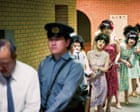
‘People ought to know’: Blue Boy Trial brings Japan’s trans history up to date
#Blue Boy Trial #Kasho Iizuka #Transgender rights Japan #Gender reassignment surgery #Queer cinema #Tokyo history #LGBTQ visibility
📌 Key Takeaways
- Director Kasho Iizuka's new film revisits the 1965 Blue Boy trial that criminalized gender-affirming surgery in Japan.
- The 1965 ruling led to a 30-year period where gender reassignment was effectively illegal and unavailable.
- The film features an authentic cast of transgender actors to tell the story of the medical and legal crackdown.
- Japan still maintains controversial requirements for legal gender changes, making the historical context highly relevant today.
📖 Full Retelling
Japanese filmmaker Kasho Iizuka has released a new feature film titled 'Blue Boy Trial' to highlight a 1965 legal case in Tokyo that effectively criminalized gender reassignment surgery in Japan for over three decades. The film, which debuted recently as a significant work of queer cinema, seeks to educate modern audiences about the origins of the legal barriers faced by the transgender community. By casting transgender actors to portray the historical figures involved, Iizuka aims to bridge the gap between Japan’s repressed history and the ongoing struggle for contemporary LGBTQ+ rights in a country where trans visibility is still evolving.
The original 1965 trial centered on a physician who performed gender-affirming surgeries on three trans women who worked at a club called 'Blue Boy.' The doctor was subsequently charged and convicted under the Eugenic Protection Act, a ruling that created a chilling effect across the Japanese medical establishment. For more than 30 years following the verdict, gender-affirming procedures were virtually impossible to obtain within the country, forcing the community underground or abroad. This period of stagnation fundamentally shaped the legal and social landscape for transgender individuals in Japan, many of whom are only now discovering this suppressed history through Iizuka’s cinematic lens.
Director Kasho Iizuka, himself a transgender man, emphasizes that the history of the Blue Boy trial remains 'unfinished' because the legal echoes of the 1960s still influence current Japanese policy. While the absolute ban has been lifted, transgender citizens in Japan still face rigorous and often criticized requirements for legal gender recognition, including mandatory surgical intervention and sterilization. By revisiting this notorious trial, the film serves as both a historical record and a political provocation, challenging the commercial Japanese film industry's traditional avoidance of queer narratives and demanding a more nuanced understanding of trans identity and history.
🏷️ Themes
LGBTQ+ History, Japanese Law, Cinema
Entity Intersection Graph
No entity connections available yet for this article.