
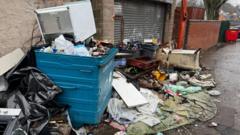
Police-style powers to tackle fly-tippers being considered
#fly-tipping #police powers #waste dumping #environmental crime #enforcement #government proposal #illegal waste
📌 Key Takeaways
- Government is considering granting police-style powers to combat fly-tipping
- Proposed measures aim to enhance enforcement against illegal waste dumping
- Initiative reflects growing concern over environmental and community impacts of fly-tipping
- Potential powers could include increased fines, vehicle seizures, or on-the-spot penalties
📖 Full Retelling
🏷️ Themes
Environmental Enforcement, Government Policy
Entity Intersection Graph
No entity connections available yet for this article.
Deep Analysis
Why It Matters
This news matters because fly-tipping (illegal dumping of waste) creates environmental hazards, costs taxpayers millions in cleanup, and blights communities. It affects local residents who face health risks and property devaluation, local authorities burdened with cleanup costs, and legitimate waste disposal businesses undermined by illegal operators. Strengthening enforcement could deter offenders and reduce the £392 million annual cost to taxpayers in England alone.
Context & Background
- Fly-tipping incidents in England reached 1.08 million in 2022/23, a slight decrease from pandemic peaks but still 16% higher than pre-pandemic levels
- Current enforcement relies on local authority officers who lack powers of arrest and face bureaucratic hurdles in prosecuting offenders
- The UK government's 2021 Resources and Waste Strategy identified tougher enforcement as key to reducing waste crime that costs economy £924 million annually
- Many fly-tipping cases involve organized criminal networks profiting from illegal waste disposal while avoiding landfill taxes and proper handling costs
What Happens Next
The government will likely publish a consultation paper within 3-6 months detailing proposed powers, followed by parliamentary debate. If approved, new legislation could be introduced in 2025, with pilot programs in high-incidence areas before national rollout. Expect increased cross-agency cooperation between local authorities, Environment Agency, and police, potentially including dedicated waste crime units.
Frequently Asked Questions
Powers likely include stop-and-search authority for waste vehicles, seizure of equipment used in fly-tipping, and enhanced investigation powers similar to police. This may also involve fixed penalty notice increases and ability to pursue offenders across jurisdictional boundaries more effectively.
Trained local authority enforcement officers and Environment Agency staff would likely receive enhanced authority, possibly with specialized waste crime units. There may be provisions for joint operations with police, particularly for organized criminal operations involving multiple offenses.
Previous measures like increased fines and camera surveillance have had limited success, with prosecution rates remaining below 1% of incidents. The complexity of evidence gathering and jurisdictional limitations have hampered enforcement, prompting calls for more robust powers.
Legitimate household waste disposal through authorized channels won't be affected, but residents using unlicensed waste carriers could face greater scrutiny. The measures aim to distinguish between accidental violations and deliberate criminal activity, with education campaigns likely accompanying enforcement changes.
Beyond current fines up to £50,000 and potential imprisonment, new powers could enable asset seizure from convicted offenders and vehicle confiscation. There may also be provisions for requiring cleanup costs from offenders and banning repeat offenders from waste industry activities.