
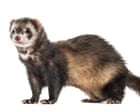
Predatory feral ferrets removed from an island for the first time ever
#feral ferrets #island eradication #invasive predators #conservation #wildlife protection #first ever #restoration
📌 Key Takeaways
- Feral ferrets have been successfully eradicated from an island for the first time in history.
- The removal is part of conservation efforts to protect native wildlife from invasive predators.
- The operation demonstrates a significant achievement in invasive species management and island restoration.
- This success could serve as a model for similar eradication projects on other islands globally.
📖 Full Retelling
🏷️ Themes
Conservation, Invasive Species
Entity Intersection Graph
No entity connections available yet for this article.
Deep Analysis
Why It Matters
This news is important because it represents a significant conservation milestone in invasive species management. Feral ferrets are destructive predators that devastate native bird populations, particularly ground-nesting species. The successful removal from an island ecosystem demonstrates that eradication of such predators is possible, which could protect vulnerable biodiversity. This affects conservationists, island communities, and policymakers working to preserve native wildlife and restore ecological balance.
Context & Background
- Feral ferrets are domesticated ferrets that have returned to a wild state and are considered invasive in many regions, particularly islands.
- Island ecosystems are especially vulnerable to invasive predators because native species often evolved without such threats and lack defensive adaptations.
- Previous attempts to control feral ferrets have typically involved ongoing management rather than complete eradication due to their elusive nature and reproductive rates.
- The global biodiversity crisis has intensified efforts to remove invasive species from islands, with successful programs targeting rats, cats, and other predators.
What Happens Next
Following this successful eradication, conservationists will likely monitor the island for any ferret resurgence while native species populations are expected to recover. This breakthrough may lead to similar eradication attempts on other islands with feral ferret populations. Research will be conducted to study the ecological recovery and document the benefits of predator removal.
Frequently Asked Questions
Feral ferrets are highly effective predators that hunt native birds, reptiles, and small mammals. Island species often lack natural defenses against such predators, leading to rapid population declines and even extinctions. Their removal is crucial for preserving unique island biodiversity.
While the article doesn't specify methods, typical invasive predator removal involves trapping, hunting, and possibly biological controls. The 'first ever' success suggests innovative techniques or sustained effort overcame previous challenges in detecting and eliminating all individuals.
Native species populations typically recover once predator pressure is removed, though recovery rates vary. Conservationists often supplement recovery with habitat restoration and sometimes reintroduce species that were locally extinct. Monitoring programs track these ecological changes over years.
Island eradications are generally easier than mainland efforts due to contained environments. While techniques may inform mainland control programs, complete eradication on continents is far more challenging due to larger areas and reinvasion risks. Island successes provide valuable proof-of-concept.