
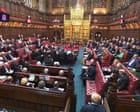
Proposed law does not protect children born to convicted paedophiles, Lords to hear
#paedophiles #children #law #protection #Lords #convicted #safeguarding
📌 Key Takeaways
- Proposed law excludes protection for children of convicted paedophiles
- Lords to review the legislation's shortcomings
- Focus on legal gaps in safeguarding vulnerable children
- Highlights need for amendments to child protection laws
📖 Full Retelling
🏷️ Themes
Child Protection, Legal Reform
📚 Related People & Topics
Entity Intersection Graph
No entity connections available yet for this article.
Mentioned Entities
Deep Analysis
Why It Matters
This news matters because it highlights a significant gap in child protection legislation that could leave vulnerable children at risk. It affects children born to convicted pedophiles who may face potential harm without adequate legal safeguards. The issue raises ethical questions about balancing parental rights with child welfare, and impacts social services, legal systems, and child advocacy organizations. The parliamentary debate will influence future child protection policies and potentially set important legal precedents.
Context & Background
- Current UK law includes various child protection measures but may have gaps regarding children born to convicted sex offenders
- The House of Lords regularly reviews and amends legislation through committee hearings and debates
- Previous child protection laws have evolved through cases that revealed systemic vulnerabilities
- Convicted pedophiles face restrictions on contact with children, but these may not automatically apply to their own biological children
- The UK has established child safeguarding frameworks through laws like the Children Act 1989 and subsequent amendments
What Happens Next
The House of Lords will hear arguments about this legislative gap, potentially leading to proposed amendments. Following the hearing, there may be committee reviews, consultations with child protection experts, and draft legislation. The process could take months, with possible parliamentary votes and potential implementation of new safeguards if approved.
Frequently Asked Questions
The proposed law reportedly fails to automatically trigger child protection assessments or supervision when convicted pedophiles become parents. This means there's no mandatory system to evaluate potential risks to children born to individuals with such convictions.
The House of Lords serves as a revising chamber that examines legislation for flaws and unintended consequences. They're hearing this matter because it represents a potential oversight in child protection law that needs parliamentary attention.
Some countries have automatic child welfare notifications when convicted sex offenders become parents, while others rely on social services discretion. Approaches vary significantly across different legal systems regarding mandatory versus discretionary interventions.
Opponents might argue that automatic restrictions could violate parental rights or create stigma, that rehabilitation should be considered, or that existing child protection systems already address risks through other mechanisms without needing specific legislation.
Key stakeholders include child protection agencies, legal experts, children's rights organizations, social workers, convicted individuals seeking rehabilitation, and families affected by such situations. The debate involves balancing multiple perspectives on safety, rights, and justice.