
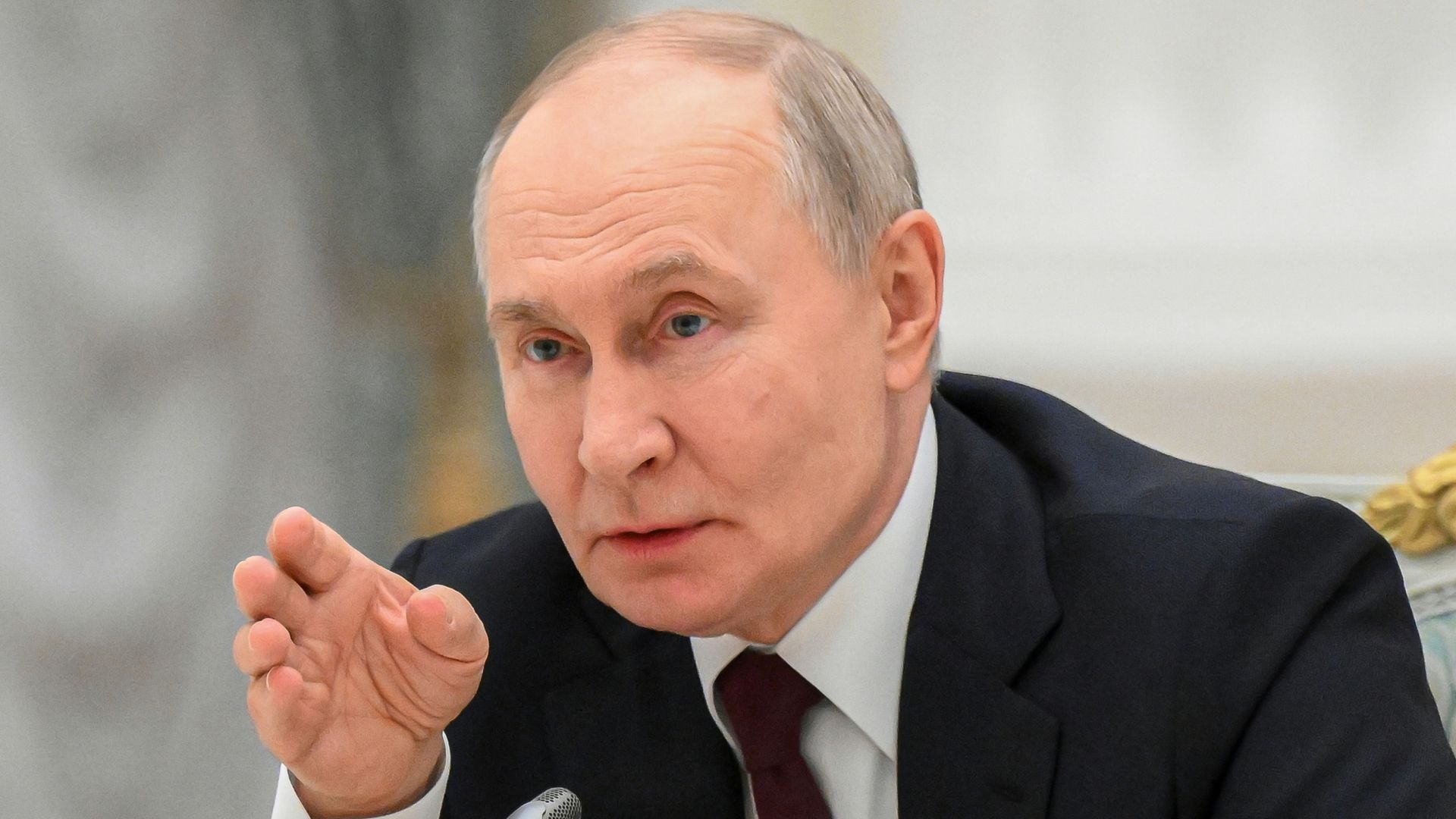
Putin's 'hidden hand' likely helping Iran against Trump, says UK minister
#Putin #Iran #Trump #UK minister #hidden hand #Russia #Middle East #tensions
📌 Key Takeaways
- UK minister suggests Putin is covertly aiding Iran against Trump
- Allegations point to Russian interference in US-Iran tensions
- Statement reflects ongoing geopolitical rivalries involving major powers
- Concerns raised about external influence on Middle East stability
📖 Full Retelling
🏷️ Themes
Geopolitics, Foreign interference
📚 Related People & Topics

Russia
Country in Eastern Europe and North Asia
Russia, or the Russian Federation, is a country in Eastern Europe and North Asia. It is the largest country in the world, spanning eleven time zones and sharing land borders with fourteen countries. With a population of over 140 million, Russia is the most populous country in Europe and the ninth-mo...

Iran
Country in West Asia
# Iran **Iran**, officially the **Islamic Republic of Iran** and historically known as **Persia**, is a sovereign country situated in West Asia. It is a major regional power, ranking as the 17th-largest country in the world by both land area and population. Combining a rich historical legacy with a...

Vladimir Putin
President of Russia (2000–2008; since 2012)
Vladimir Vladimirovich Putin (born 7 October 1952) is a Russian politician and former intelligence officer who has served as President of Russia since 2012, having previously served from 2000 to 2008. Putin also served as Prime Minister of Russia from 1999 to 2000 and again from 2008 to 2012. He has...

Donald Trump
President of the United States (2017–2021; since 2025)
Donald John Trump (born June 14, 1946) is an American politician, media personality, and businessman who is the 47th president of the United States. A member of the Republican Party, he served as the 45th president from 2017 to 2021. Born into a wealthy New York City family, Trump graduated from the...
Entity Intersection Graph
Connections for Russia:
Mentioned Entities
Deep Analysis
Why It Matters
This news matters because it suggests potential Russian interference in Middle Eastern geopolitics, specifically in Iran's dealings with the United States. It affects international relations between major powers, regional stability in the Middle East, and global security dynamics. The allegation could escalate tensions between Russia and Western nations, potentially impacting diplomatic efforts and economic sanctions.
Context & Background
- Russia and Iran have maintained strategic military and economic partnerships since the 1990s, particularly in Syria where both support the Assad regime.
- The U.S.-Iran relationship has been strained since the 1979 Iranian Revolution, with recent tensions escalating after the U.S. withdrawal from the 2015 nuclear deal in 2018.
- Russia has frequently positioned itself as a counterbalance to U.S. influence in global affairs, particularly in regions where American interests are prominent.
- The UK has historically aligned with U.S. foreign policy in the Middle East while maintaining diplomatic channels with both Russia and Iran.
What Happens Next
Expect increased diplomatic scrutiny of Russia-Iran relations, potential intelligence briefings among Western allies, and possible retaliatory measures if evidence emerges. The situation may influence upcoming UN Security Council discussions on Iran and affect negotiations regarding Iran's nuclear program. Monitoring of Russian activities in the Middle East will likely intensify in the coming weeks.
Frequently Asked Questions
The article references a UK minister's statement suggesting intelligence assessments indicate Russian involvement. Specific evidence isn't detailed, but such claims typically stem from intercepted communications, satellite imagery, or insider reports about military or technological cooperation.
Russian involvement could complicate negotiations by providing Iran alternative support, potentially reducing its incentive to compromise with Western powers. It may also lead to increased Western pressure on both Iran and Russia simultaneously.
Russia likely views Iran as a strategic partner to counter U.S. influence in the Middle East. Supporting Iran allows Russia to project power, gain economic benefits through arms sales and energy cooperation, and divert Western attention from other regions like Ukraine.
This allegation could further strain already tense UK-Russia relations, potentially leading to diplomatic expulsions, increased sanctions, or reduced cooperation on issues like counterterrorism. It may also strengthen UK alignment with U.S. policies in the region.
While ministers have access to intelligence briefings, such statements often serve political purposes. Their reliability depends on underlying intelligence quality and whether they're later substantiated with concrete evidence through official channels or international investigations.